installs2_0000_b4c7f0b0-a1b4-4607-8061-f1066daa5eed-Picsart-AiImageEnhancer
previous arrow
next arrow

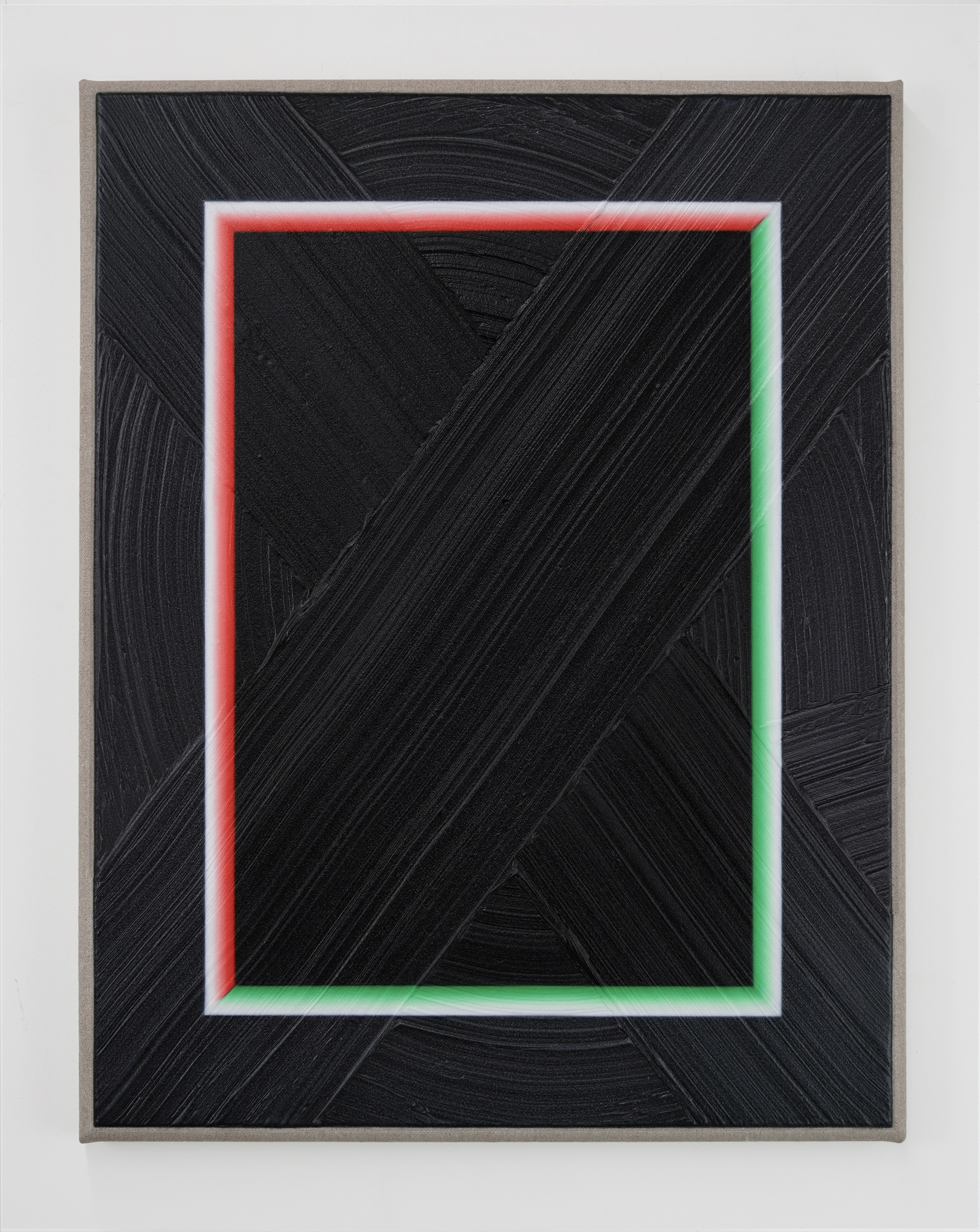
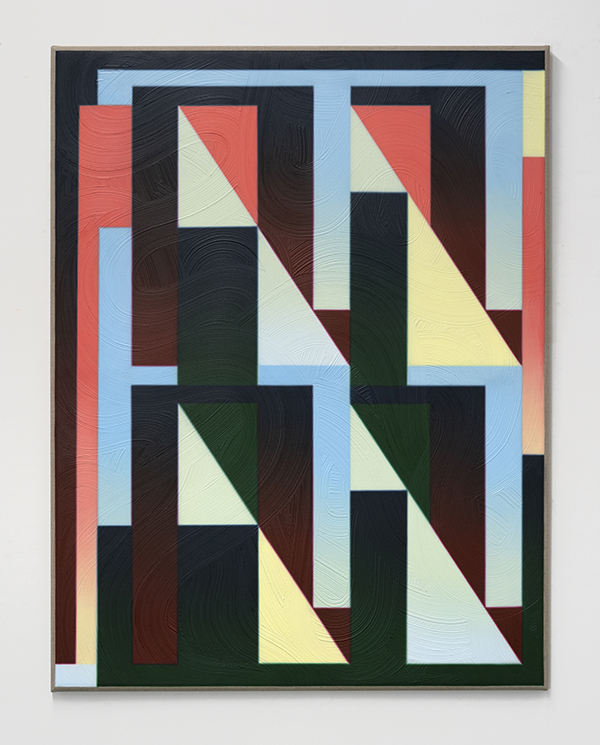
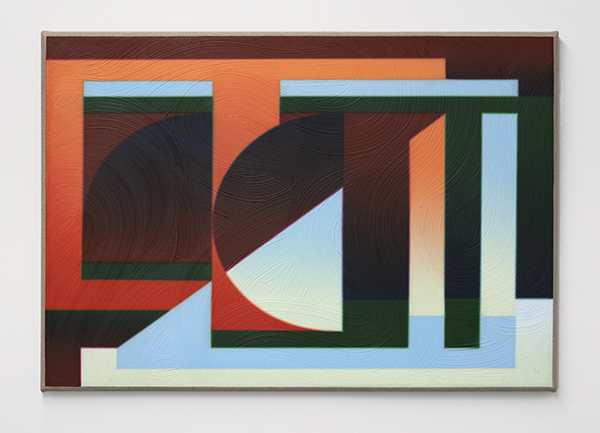
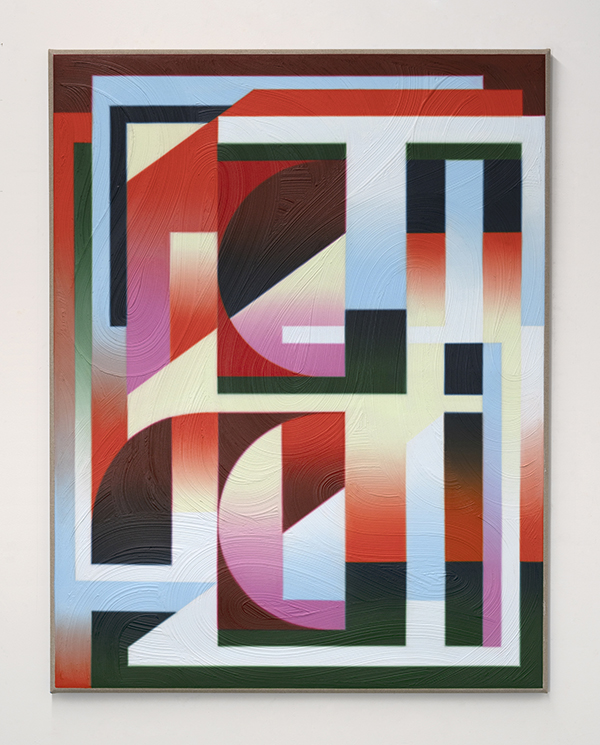
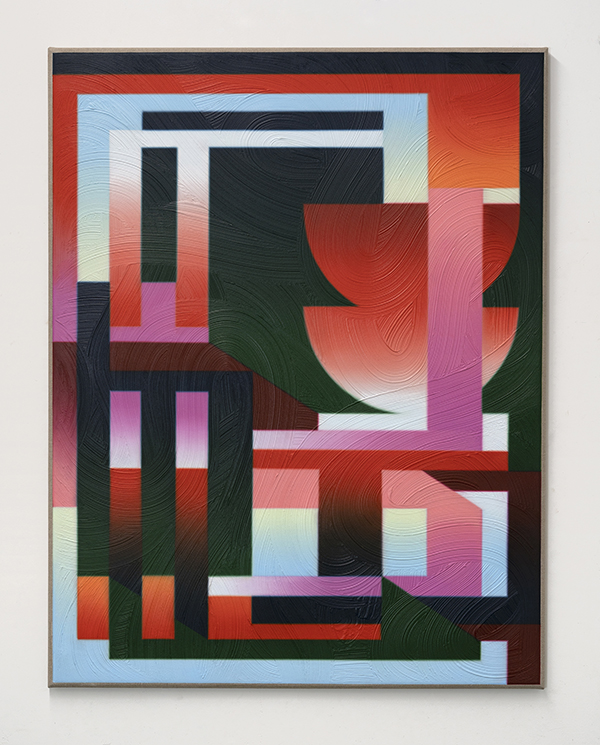
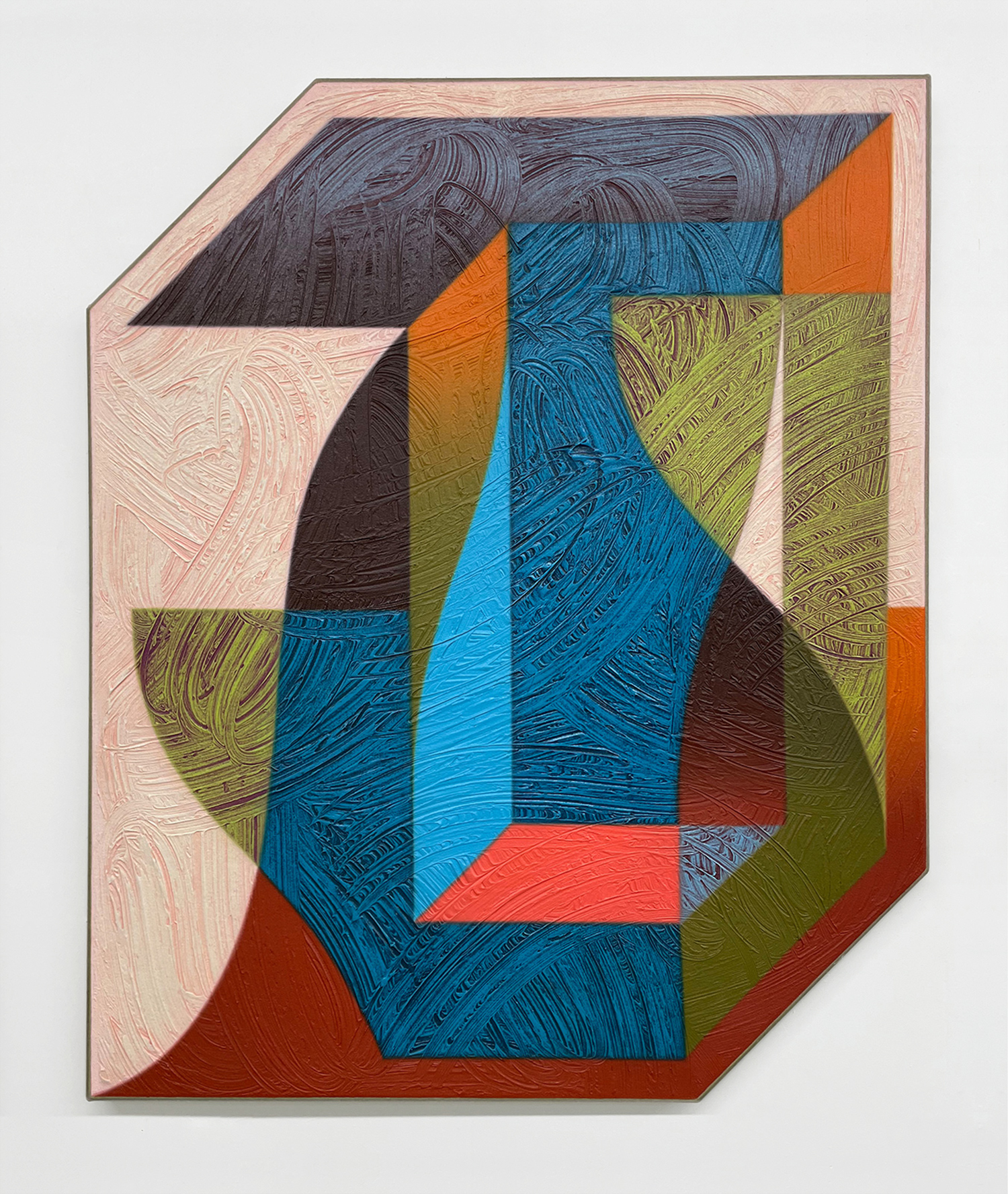
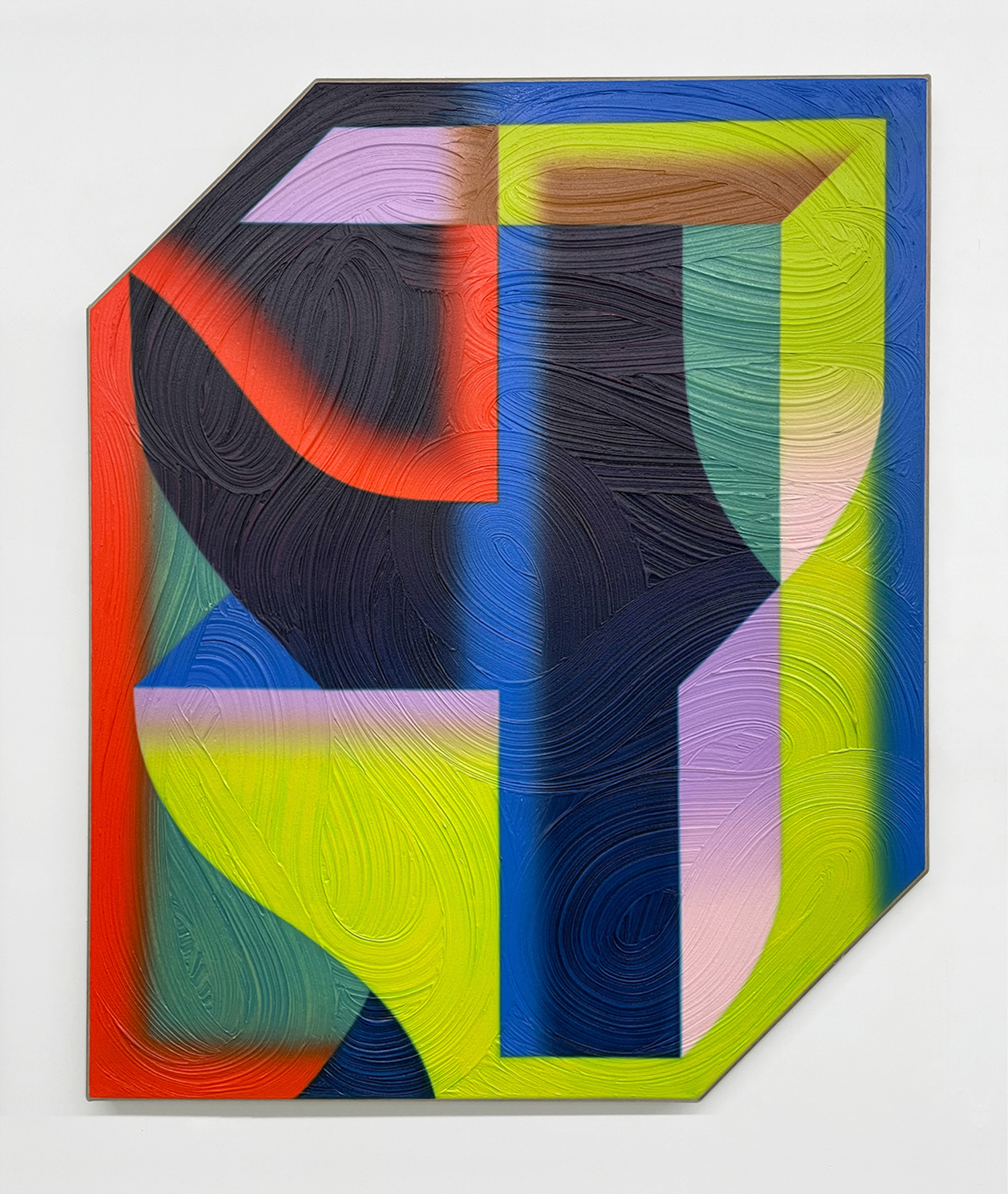
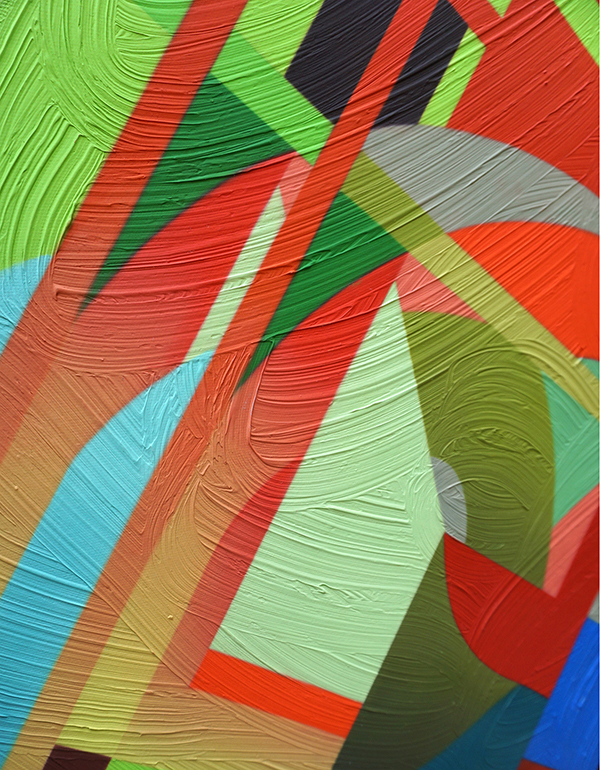
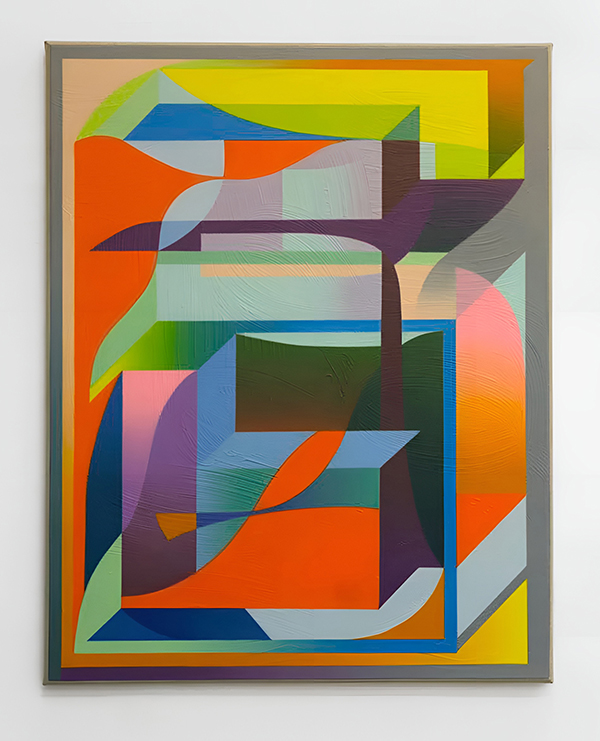
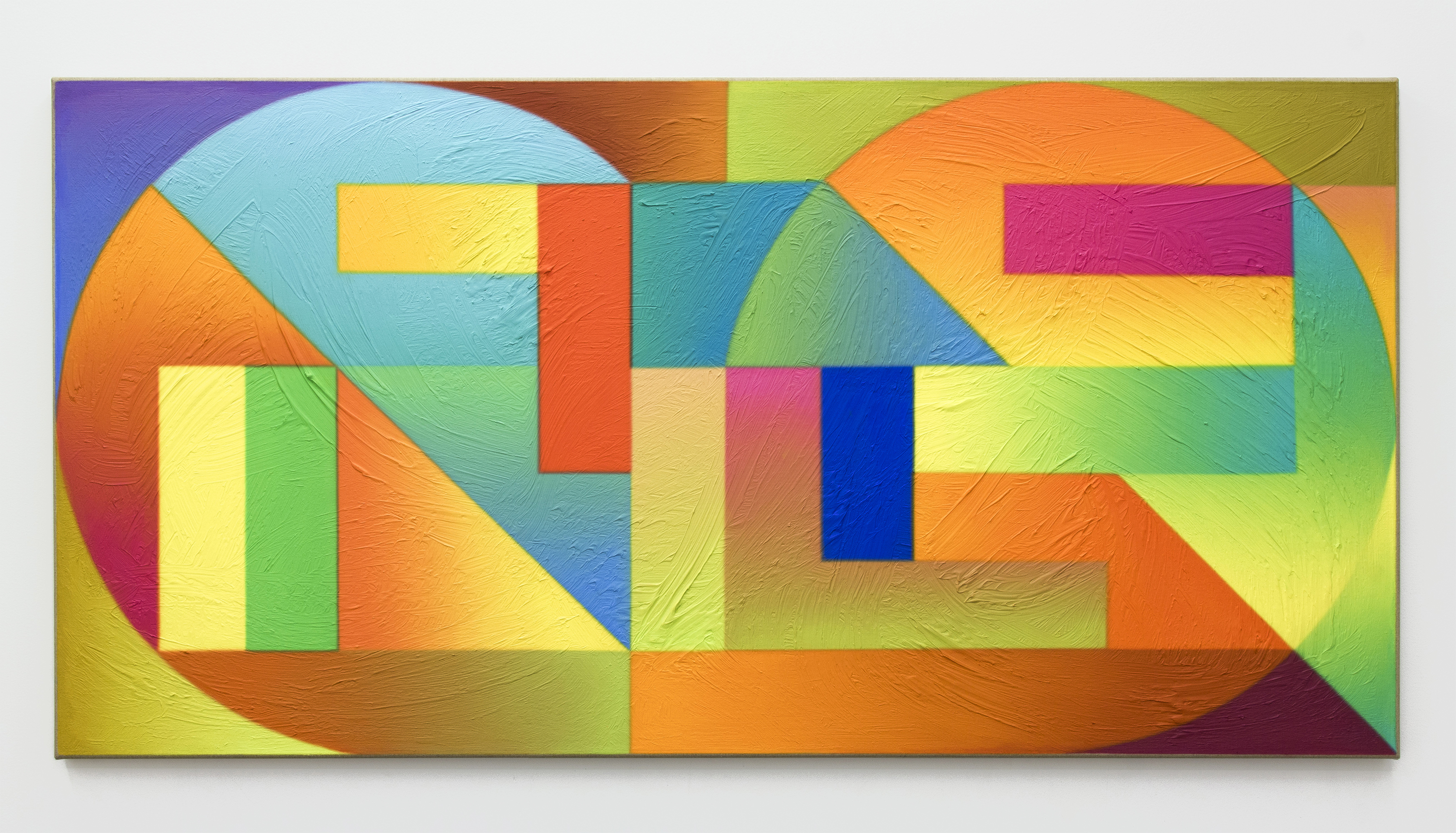
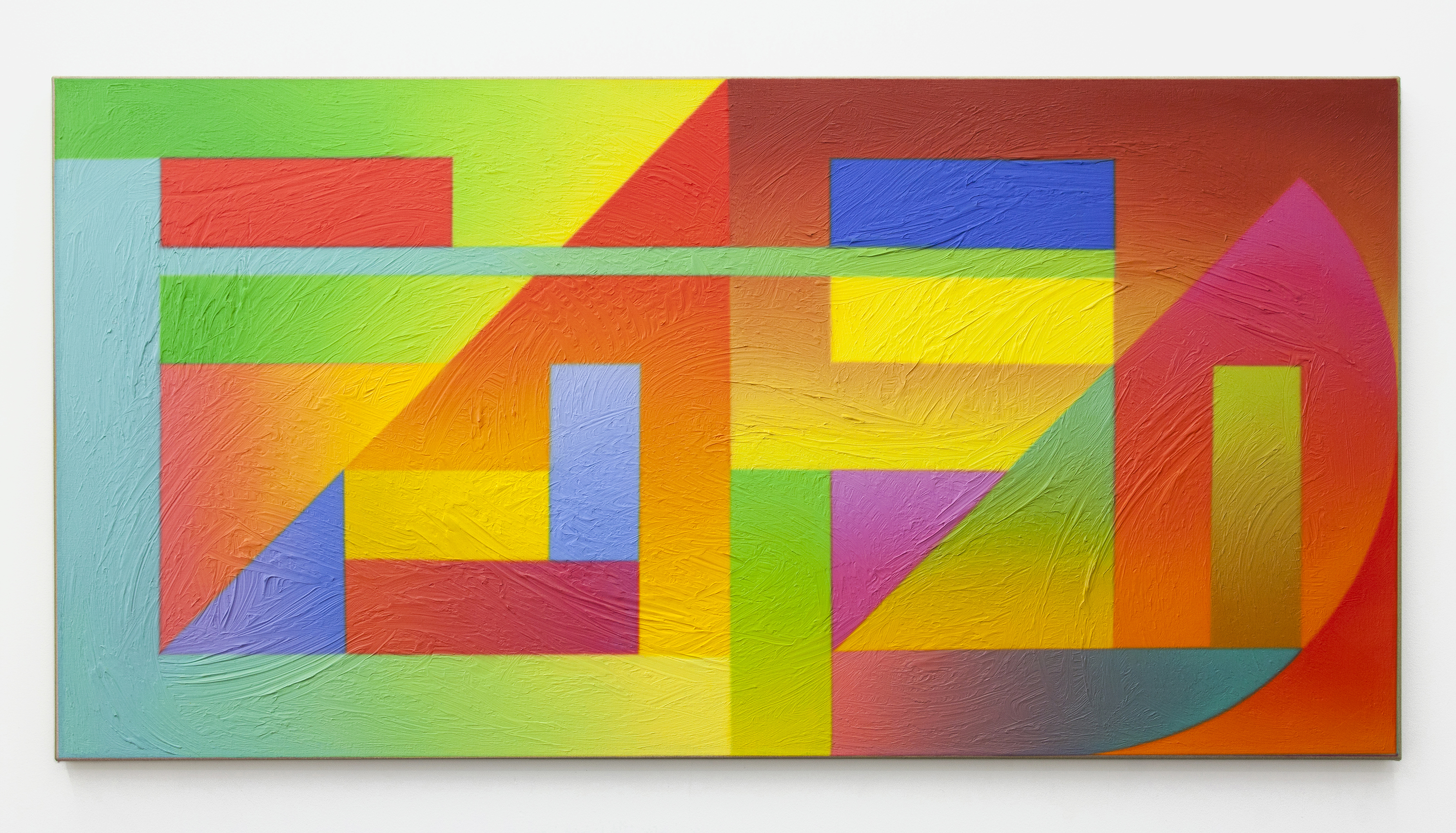
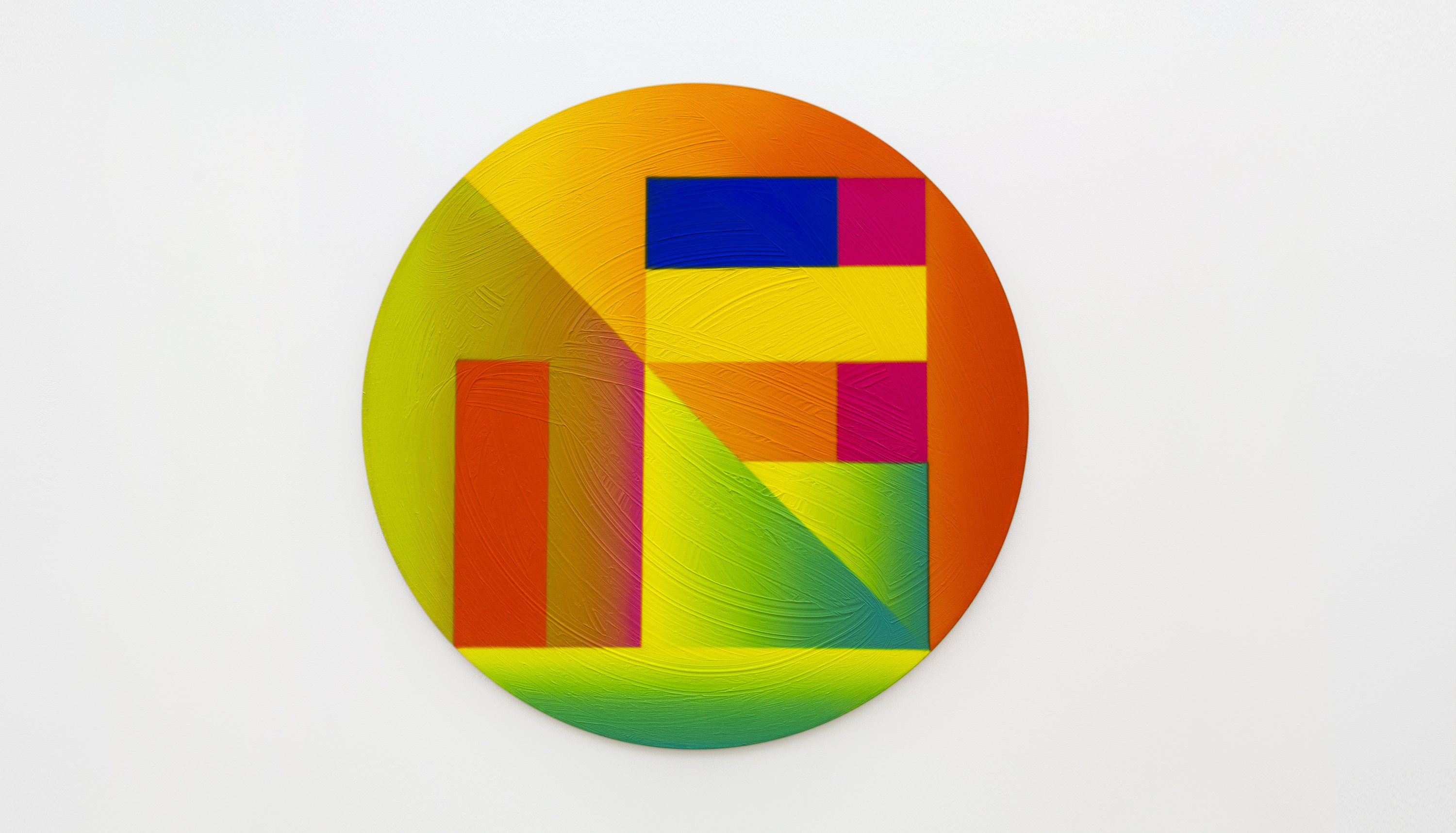
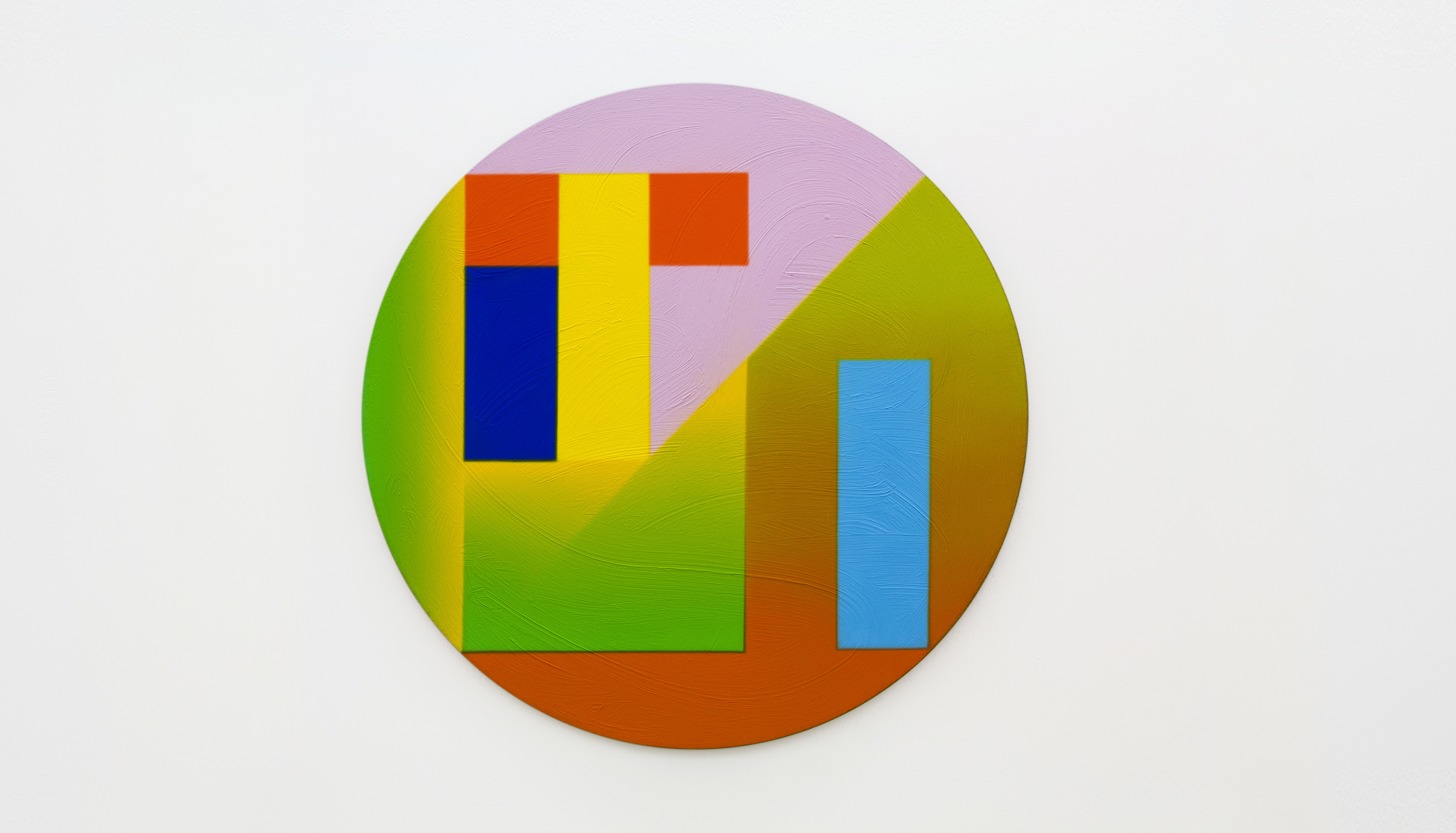
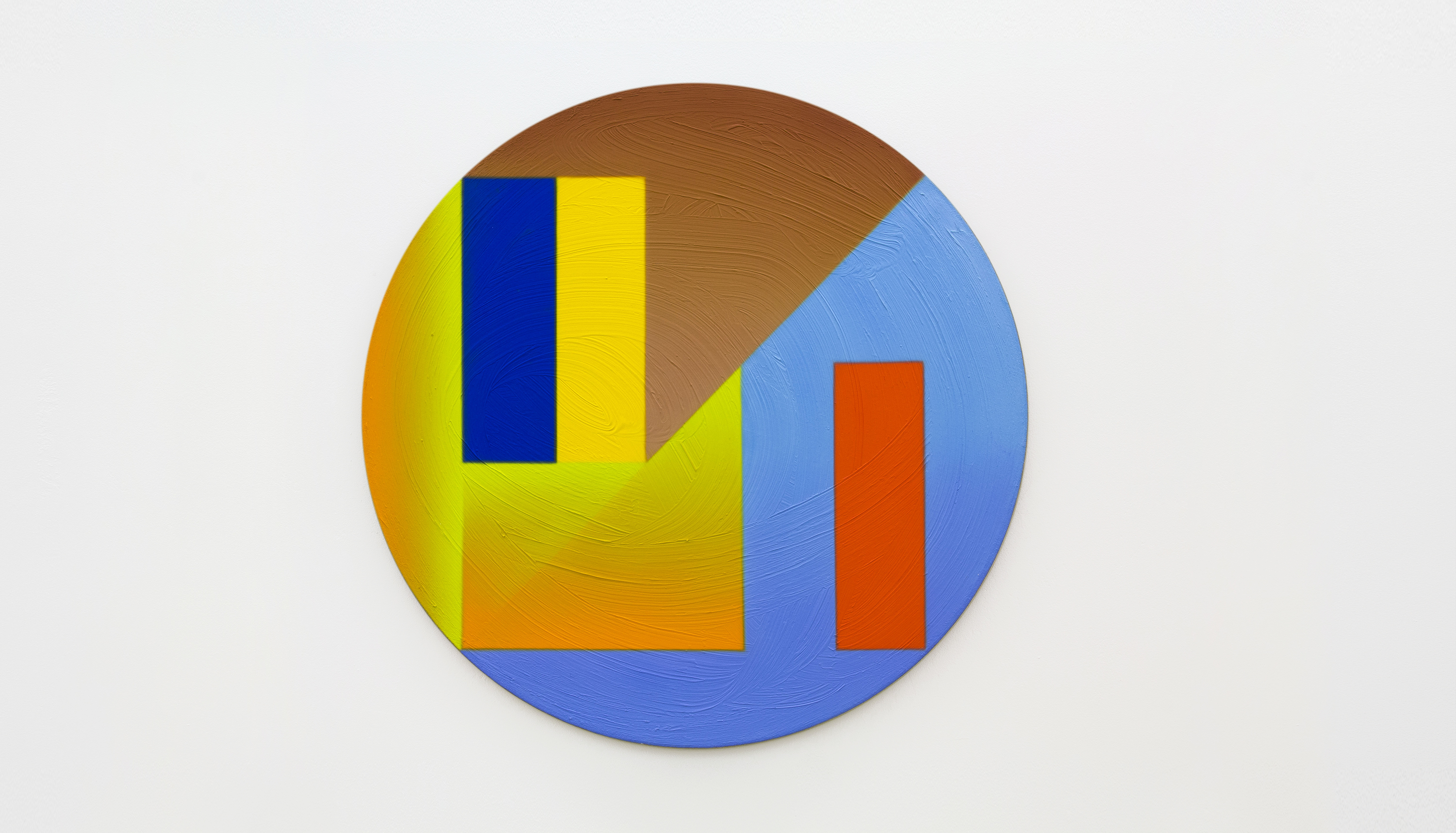
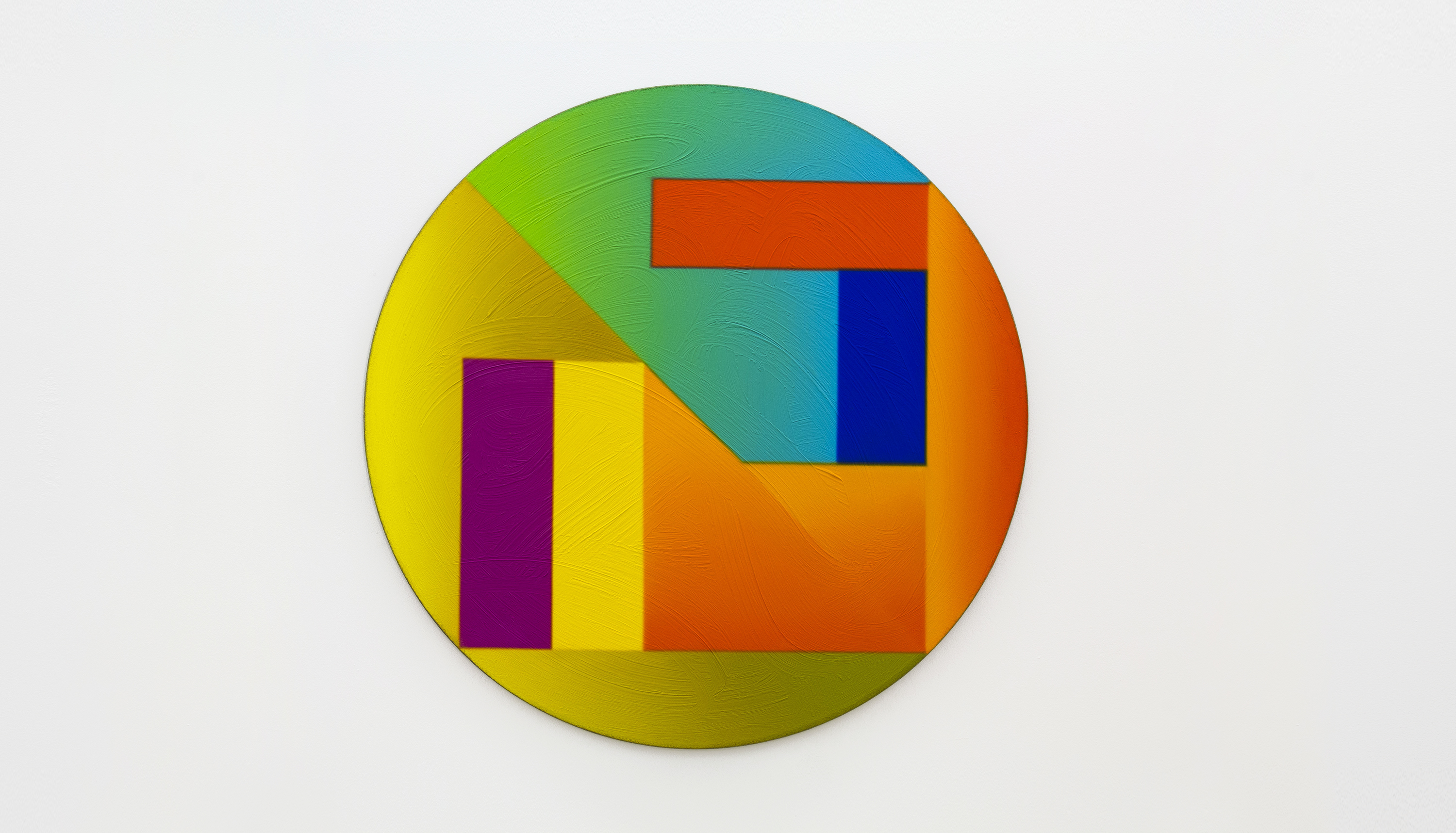
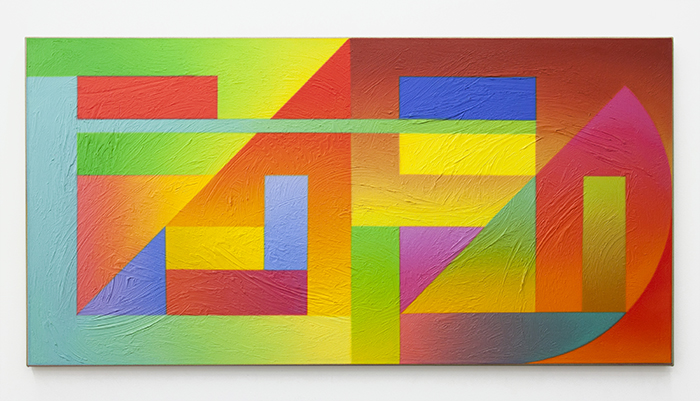
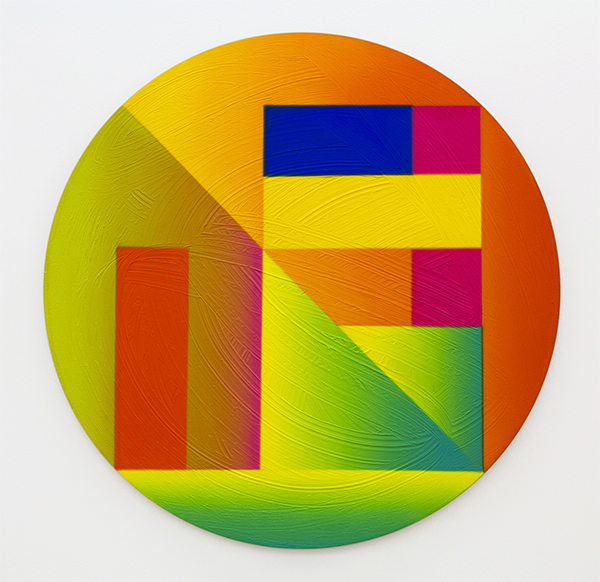
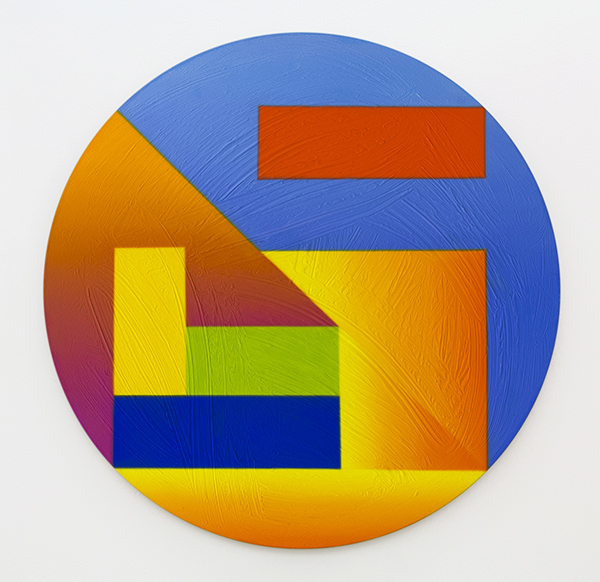
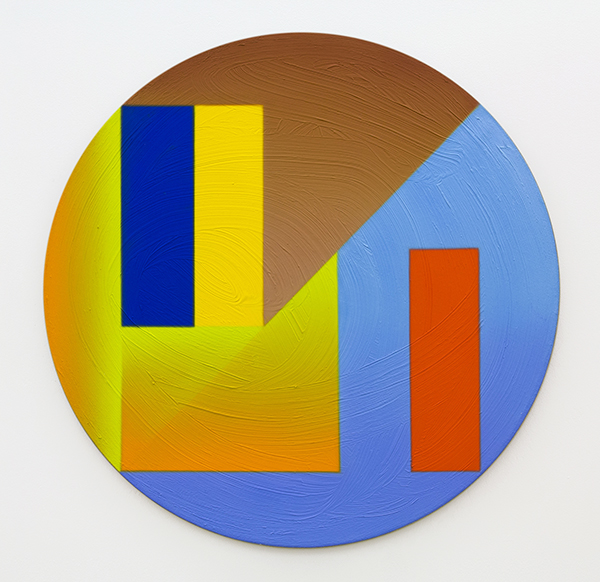
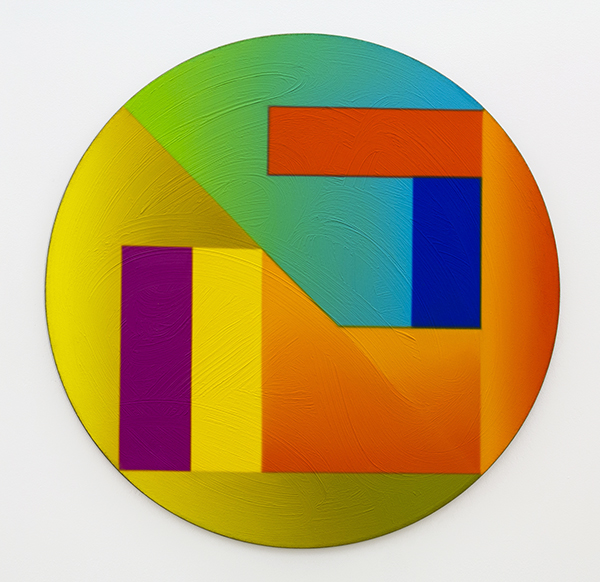
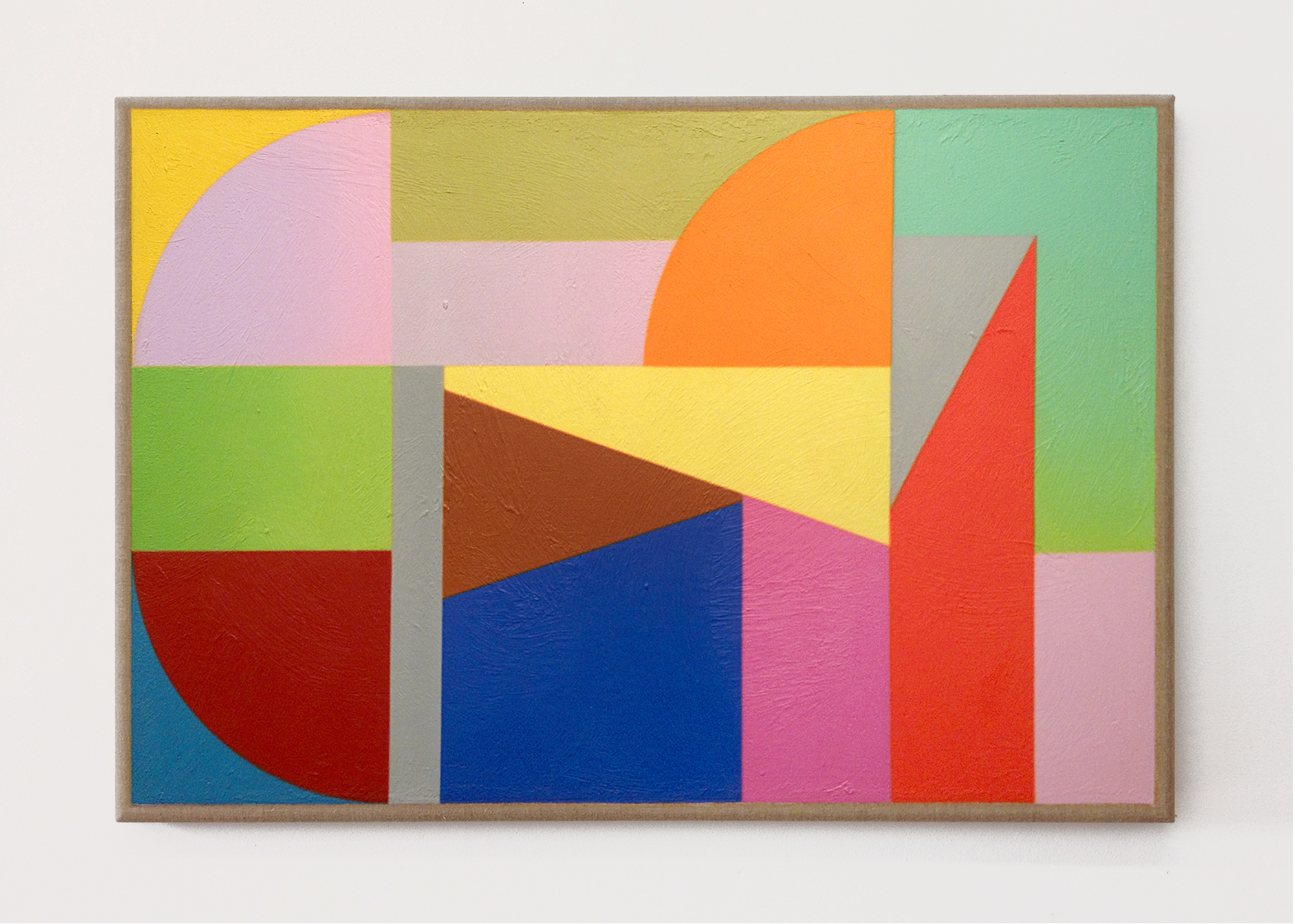
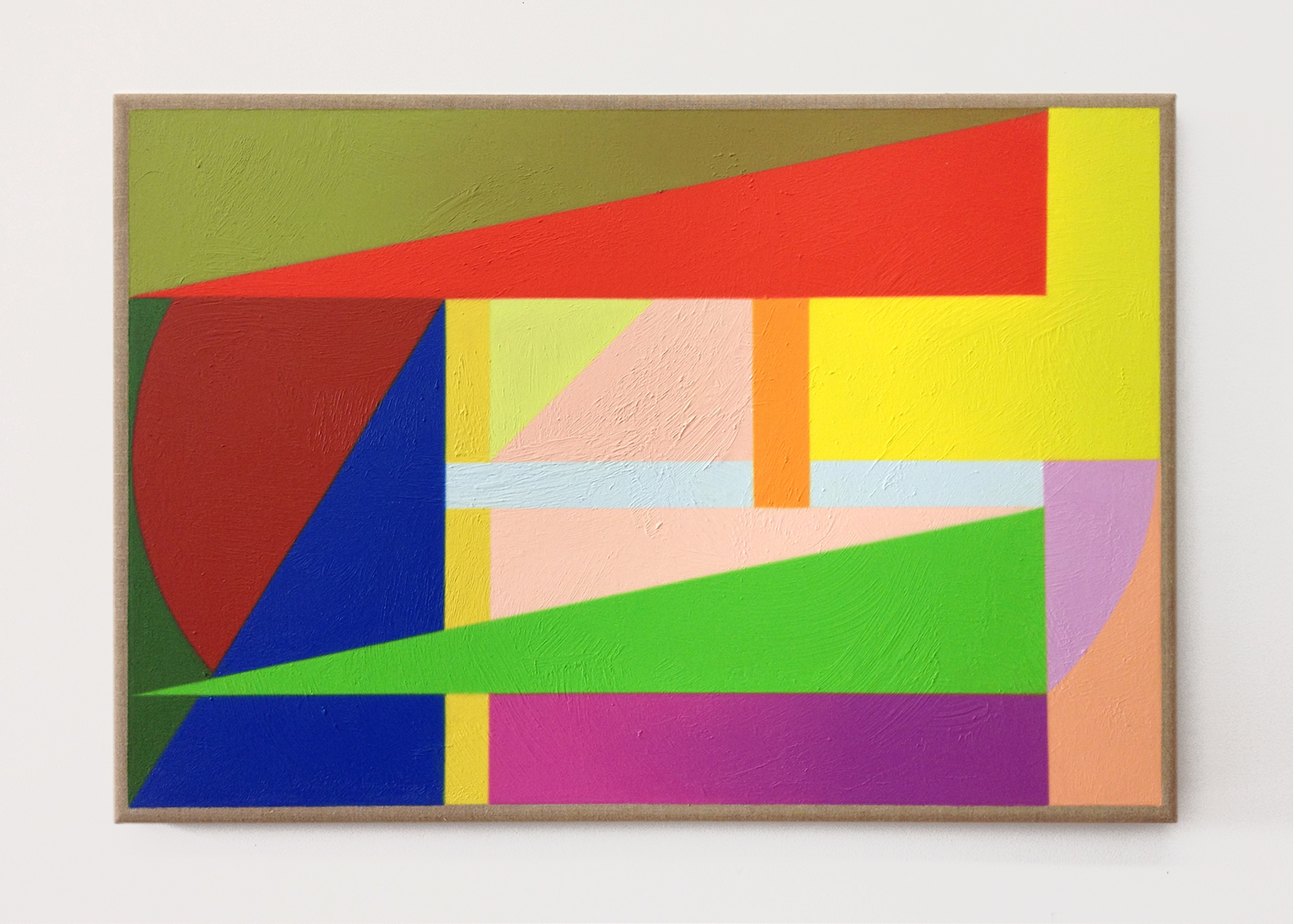
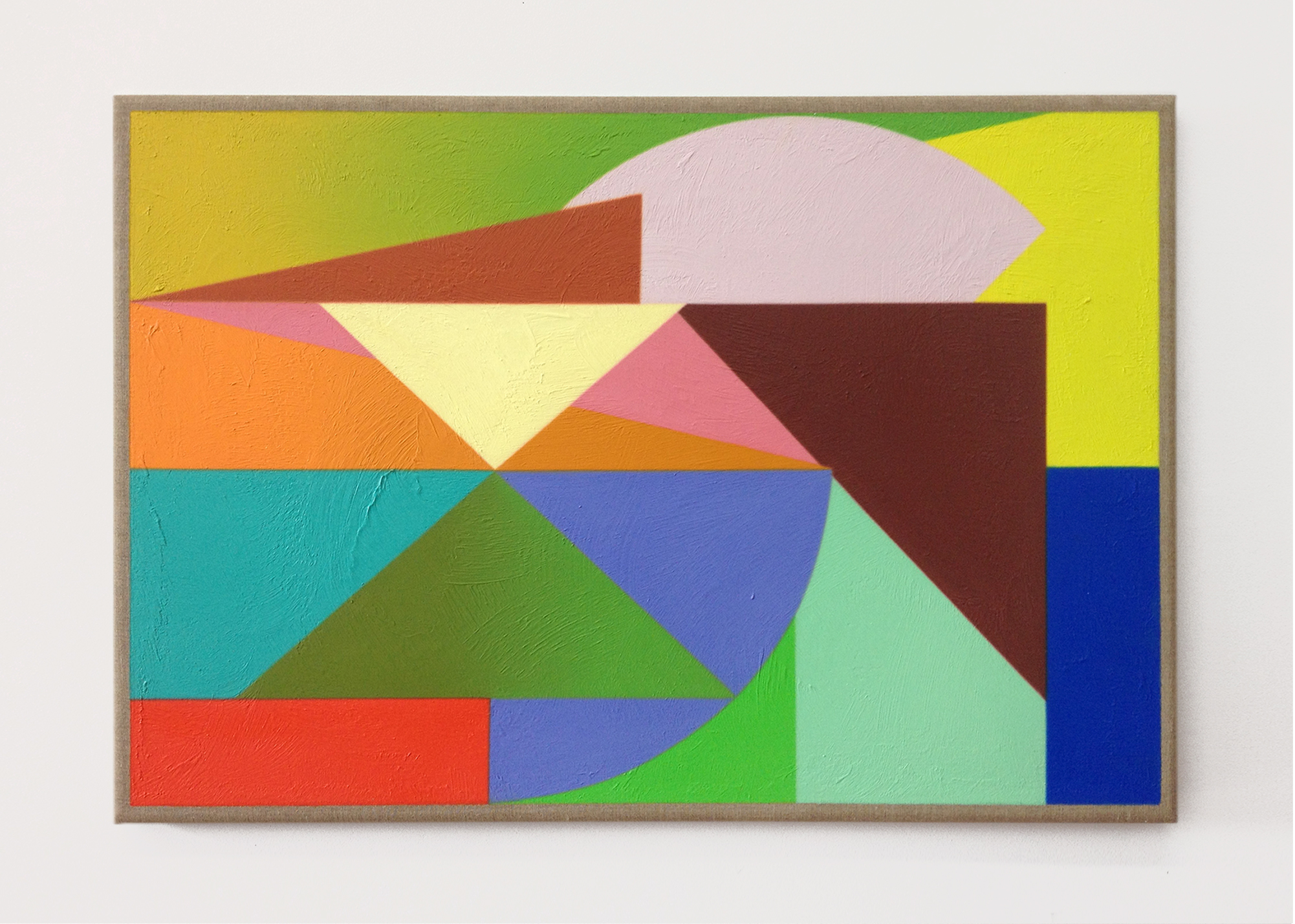
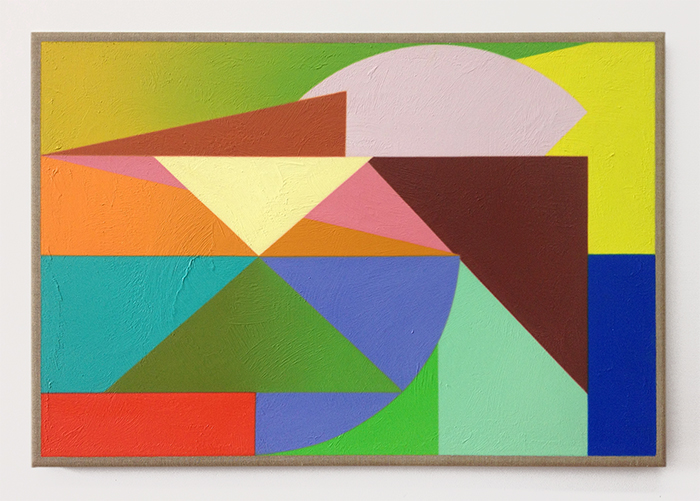
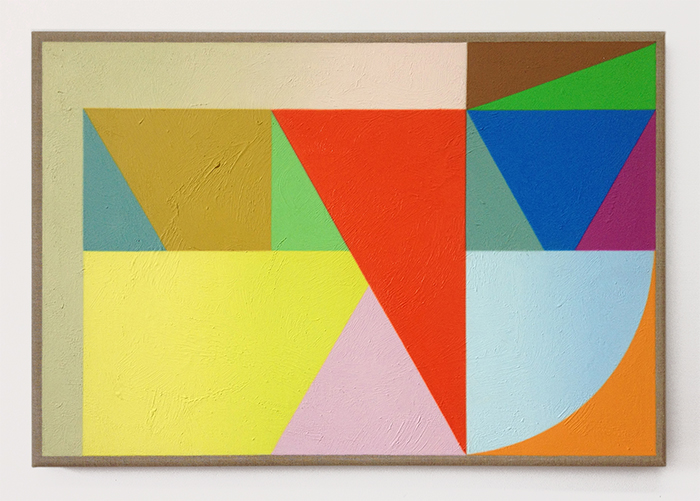
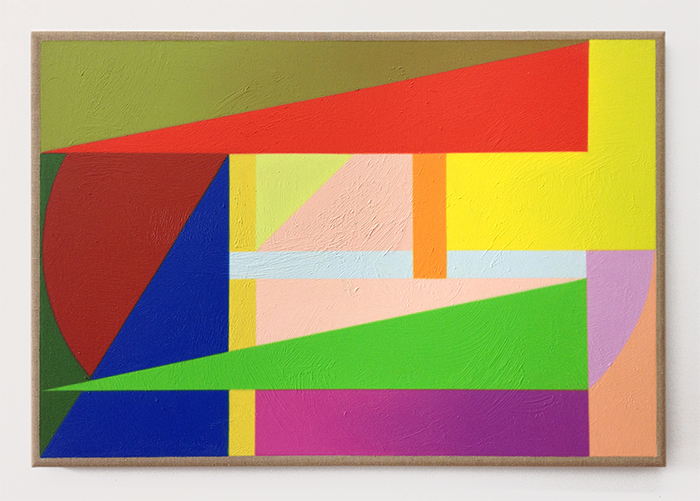
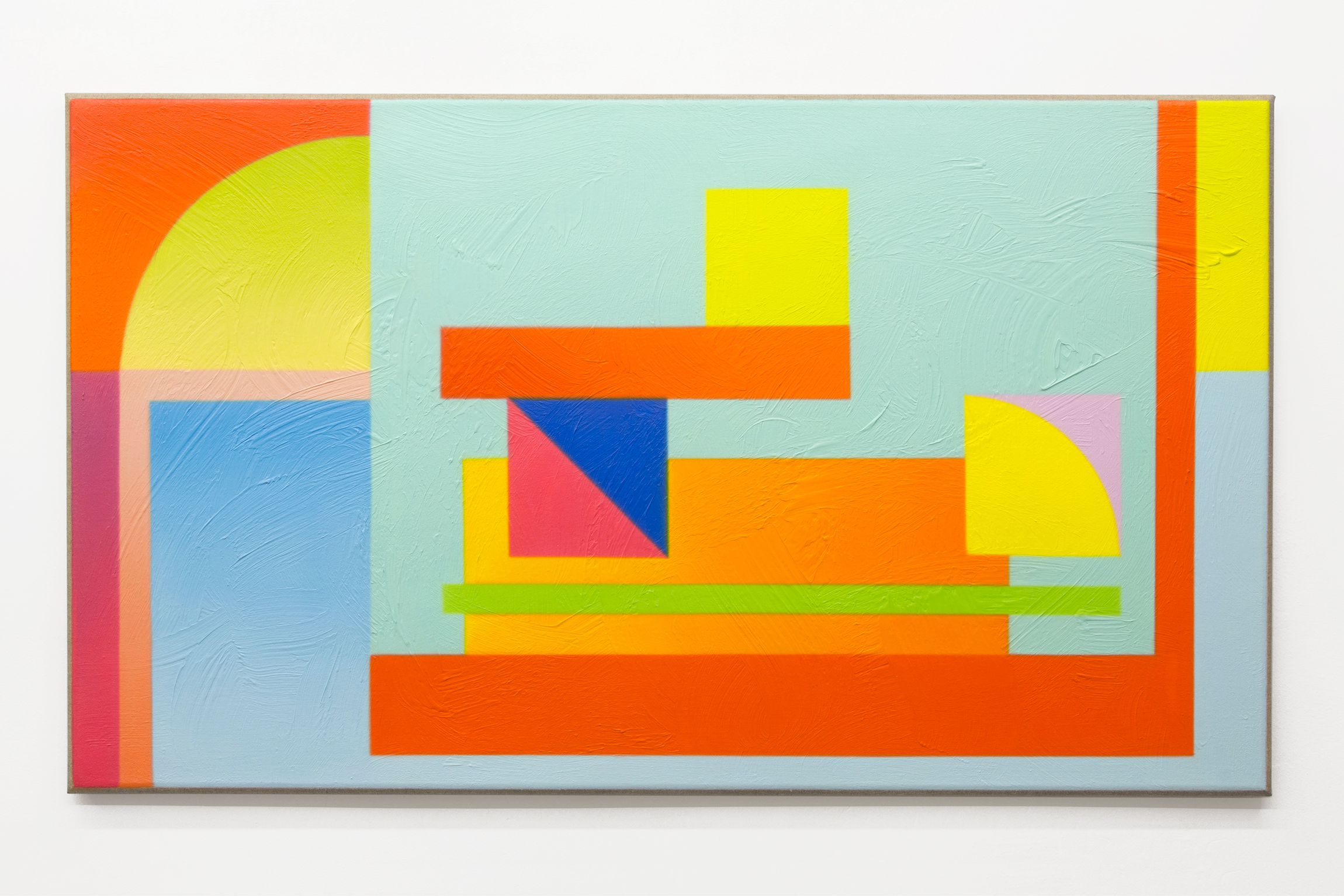
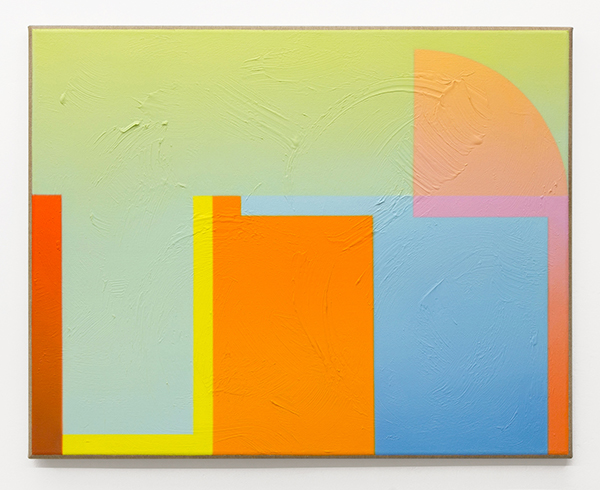
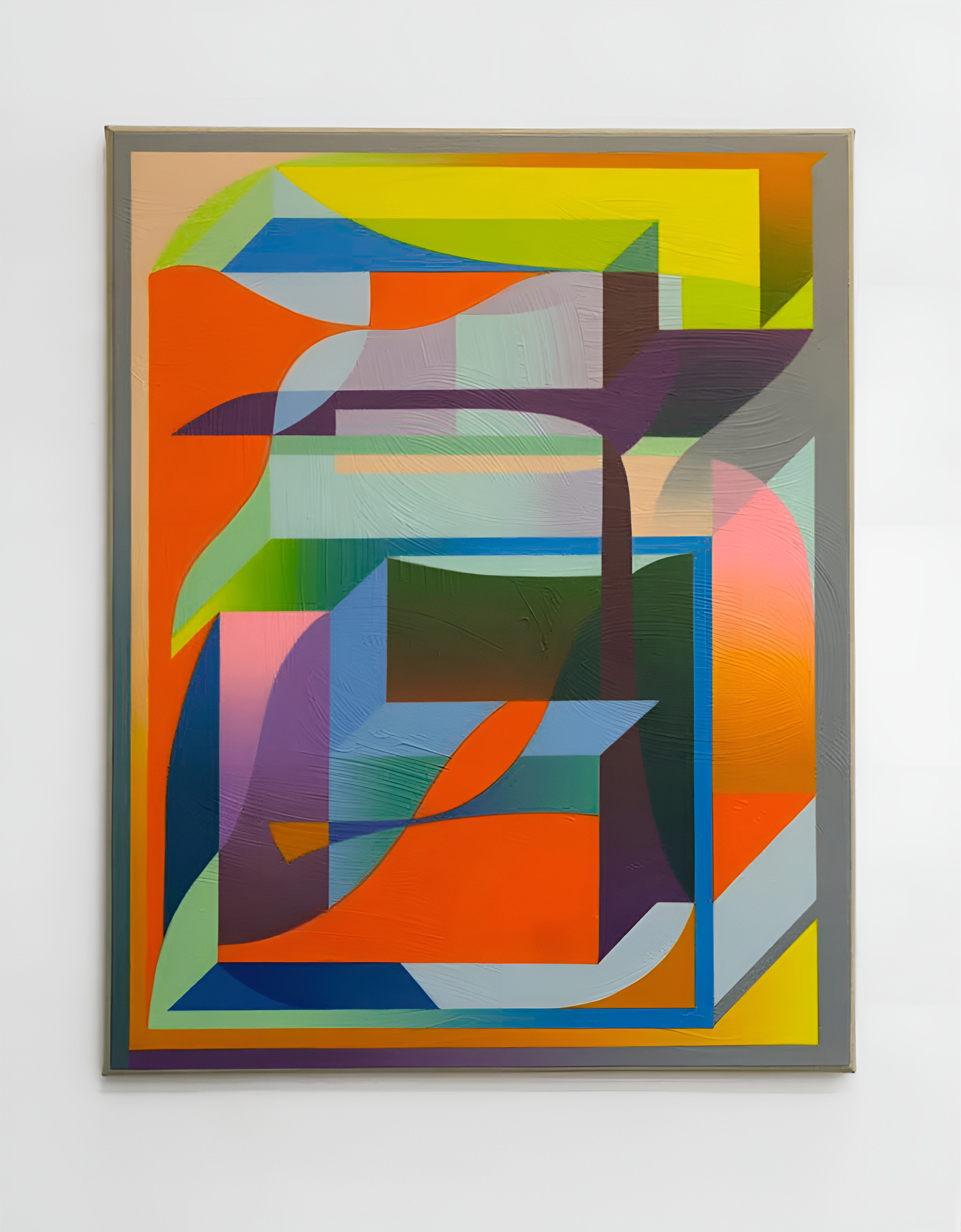
(large), No title, Oil on Linen, 94 x 148 cm. 2026; (medium x 2), No title, Oil on Linen, 69 x 109 cm. 2026

My current painting research engages the contemporary information environment, particularly the ways censorship, omission, and misinformation mediate public perception of military violence, including the U.S. war with Iran and the ongoing genocide in occupied Palestine. This inquiry is shaped by my lived experience. I spent more than a decade in Doha, Qatar, and returned to the United States in May 2025. Since that move, I have remained preoccupied by the vulnerability of the region and by the fact that the small country where I lived has since been bombed by both Israel and Iran. That proximity intensifies my attention to how political realities are filtered, managed, and made legible through images and their circulation.

Rather than treating painting as a vehicle for illustration, I use it as a testing ground for how political content can register through formal relationships. The work is driven by impulses of redaction and concealment, and by the paradox that concealment can also function as a mode of disclosure, making visible the contours of what is being withheld. Alongside these strategies, I continued a parallel line of formal experimentation that strips color from the paintings and builds compositions in direct response to the underlying surface texture. This approach treats texture not as a neutral substrate but as an active constraint that shapes the image, allowing the painting to register its own material conditions while remaining attentive to the politics of visibility, withholding, and mediated perception.

No title

(3 paintings)
Oil on linen
47 x 60 cm
2024

NADA NY May 2024 Statement:

My new paintings were created in response to the conflict in Palestine and the deliberate spread of misinformation being used to justify ongoing acts of genocide. In the United States, Palestinian and Pro-Palestinian voices are being systematically and institutionally repressed, false allegations of anti-semitism are being used to crush dissent, and public demonstrations of solidarity are being met with state and institutional violence.

The relentless murder campaign perpetrated against innocent civilians, mostly women and children, has consumed my thoughts over the last 7 months and affected not only my creative practice but my faith in democratic and cultural institutions. For me these paintings are about concealment, obfuscation, erasure, and deletion – actions that reveal as much as they conceal. Simultaneously a memorial to the lives lost and a warning about how misinformation and obfuscation can be used to limit debate and manufacture consent. 

Behind Doors

Situations Gallery NYC

No title

Oil on linen
(large) 120 x 92 cm
(small) 64 x 92 cm
2021

Majaz: Contemporary Art Qatar

Mathaf Arab Museum of Modern Art
Doha Qatar

No title

(3 paintings)
Oil on linen
87 x 102 cm
2021

Post Analog Painting II

The Hole NYC

No title

Oil on linen
(large) 129 x 94 cm
(small) 111 x 76 cm
2017

Post Analog Painting

The Hole NYC

Mariah Dekkenga

Eli Ping Frances Perkins NYC

No title

Oil on linen
(large) 81 x 161 cm
(small) 82 x 82 cm
2015

Windows

Elizabeth Denny Gallery NYC

No title

Oil on linen
61 x 81 cm
2013

Soft Geometries

Eli Ping NYC

No title

Oil on linen
(6 paintings)
67 cm variable widths
2013

Selected Paintings

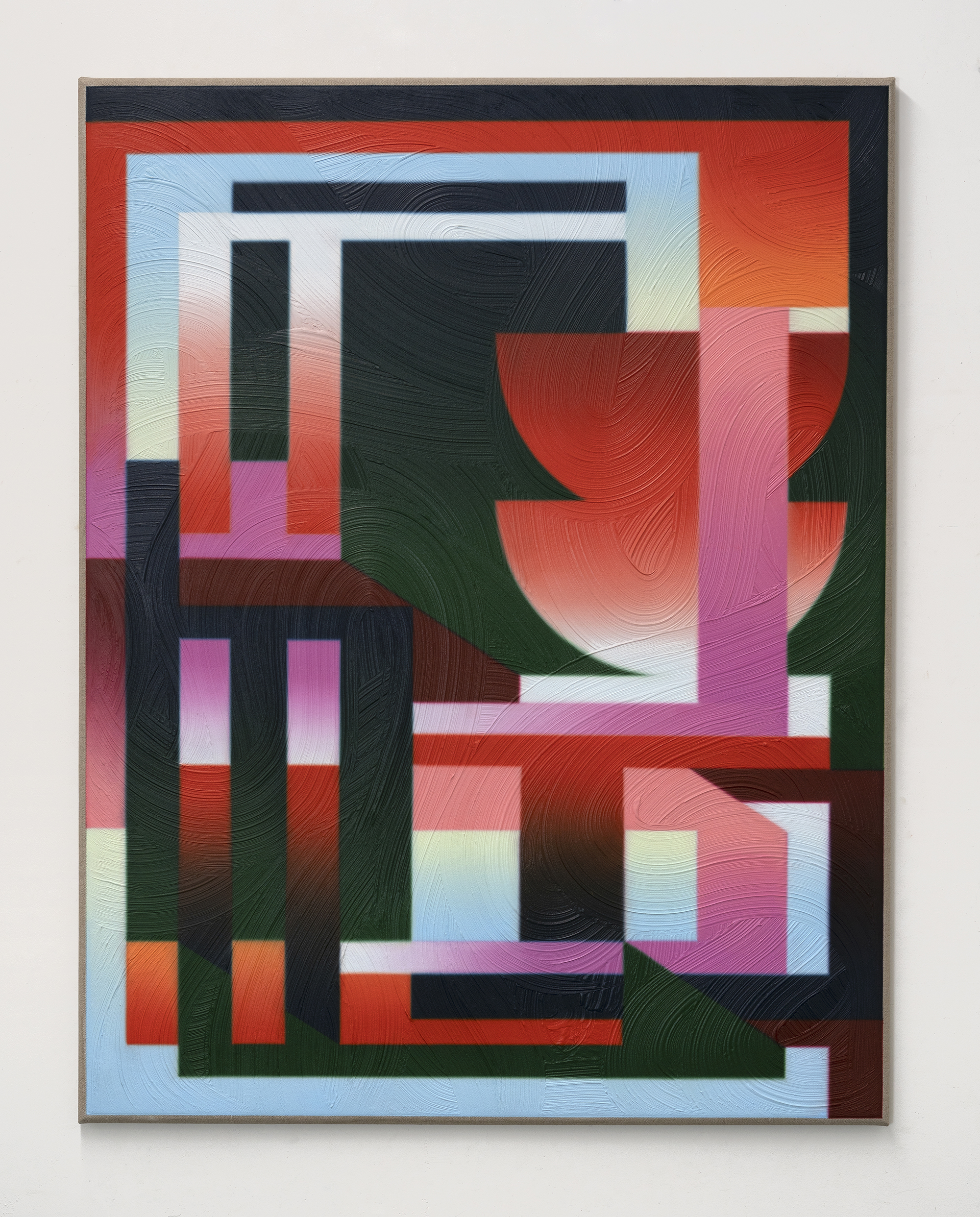
My compositional practice is grounded in the primacy of direct experience, specifically what philosophers call qualia: the immediate, subjective, and affective qualities of perception that cannot be fully captured or transmitted through language. While language constructs meaning through symbolic systems and differentiation, qualia remain immediate and irreducible; a linguistic signifier can never replicate the direct, subjective reality of a color or an emotion. This gap between signifier and subjective experience drives my studio practice. Through an intuitive engagement with shape, color, and formal relationships, I use digital tools to rapidly test compositions that often emerge in response to music, memory, or political events, while painting becomes an embodied means of understanding them through gesture, material, and perception rather than discursive analysis. The absence of recognizable imagery further resists the naming and categorizing impulses of language, foregrounding sensory and affective experience and creating the possibility of encountering the work directly rather than decoding it as a system of signs. For this reason, I also generally avoid titles, which impose linguistic frameworks that can redirect attention away from immediate perception and toward interpretation.

Selected Paintings

My compositional practice is grounded in the primacy of direct experience, specifically what philosophers call qualia: the immediate, subjective, and affective qualities of perception that cannot be fully captured or transmitted through language. Complex visual relationships shape cognition by producing experiences that resist interpretation, such as the perceived warmth of a color or the sensed weight of a form. Qualia constitute a form of knowledge grounded in immediate experience rather than in a priori assumptions derived from the syntactic systems of language and discourse. Language operates through differentiation; words acquire meaning in relation to what they exclude. Qualia, by contrast, are immediate, indivisible, and self-present; the name of a color is not the color itself, the word “sadness” is not the experience of feeling sad. The limitations of language in describing phenomena and experience are a central concern in my work..

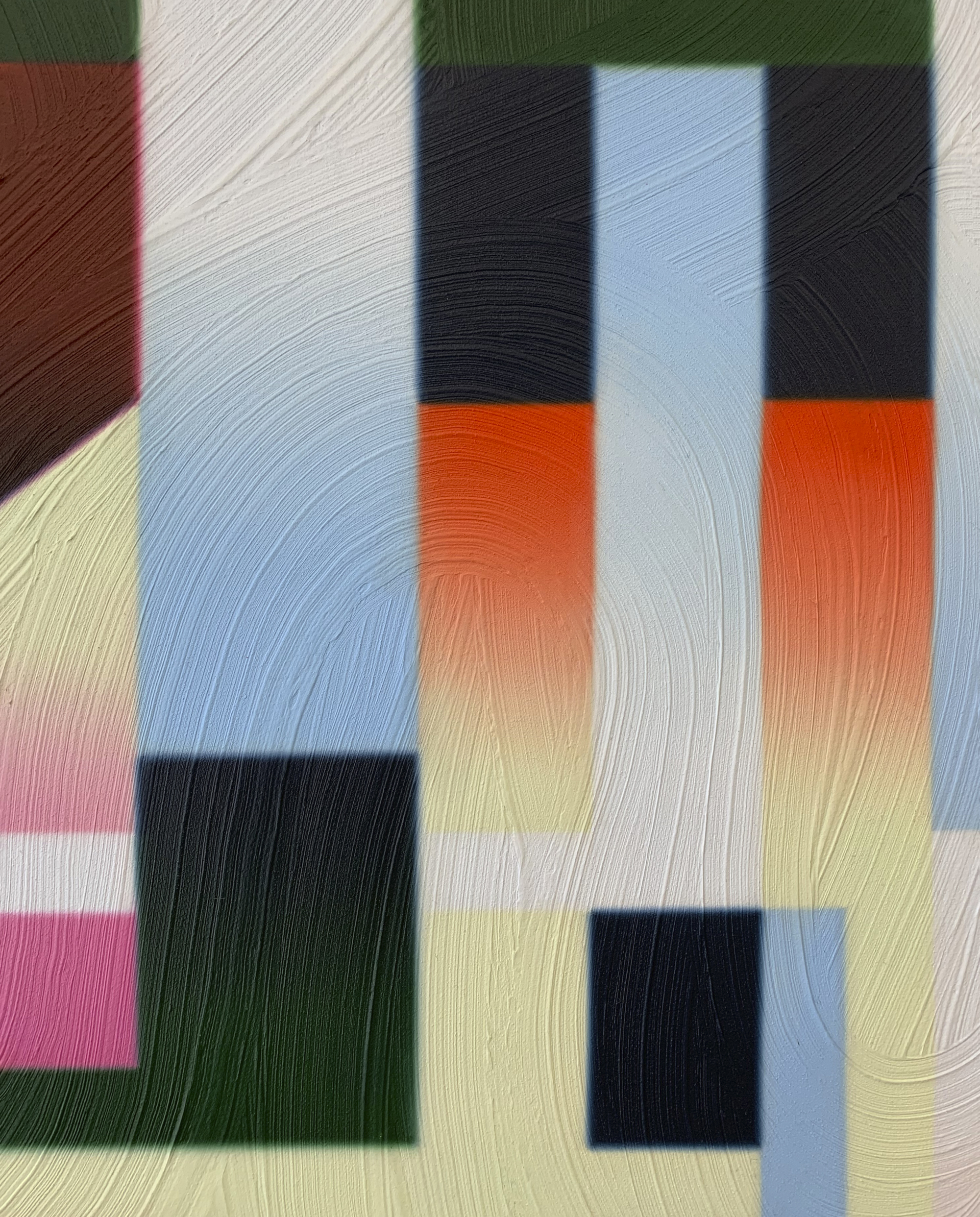
Through years of artistic practice, I have cultivated an intuitive understanding of fundamental compositional elements like shape and color. I use design software to investigate formal relationships instinctively, tuning and retuning my compositions like an instrument. Digital processes permit a degree of fluidity that traditional media can’t always provide. I can invert a color scheme instantly or generate numerous variations in the time required to produce a single sketch. This flexibility supports intuitive responses and enables experimentation without the constraints imposed by physical materials. Compositional relationships often emerge in response to specific experiences, such as music, memory, or political events. In this sense, my practice is deeply personal. The act of painting is a way of understanding the composition, not through intellectual or discursive analysis but through embodied perception: the movement of the hand, the brush, and the relationship between the body and the material surface. This embodied knowledge is itself a form of qualia.

The absence of recognizable imagery functions as a strategy for resisting the naming and categorizing impulses inherent to discursive cognition, foregrounding the affective and sensory dimensions of composition. It offers an escape from the internal narrator that constantly mediates our experiences. The goal is to create conditions for direct perceptual awareness that bypass the symbolic mechanisms of language, to facilitate the experience of encountering something sui generis rather than decoding a system of signs. For this reason, I generally avoid titling my work. A title establishes a linguistic framework, suggests a particular meaning and encourages interpretation. It shifts the viewer’s attention away from direct perception and toward language and discourse. 
Mariah Dekkenga

Mariah Dekkenga