Digital media is transforming not only the practice of painting but also how the medium is defined more broadly. Historically, painting has adapted to new spaces, materials, and surfaces, often in response to emergent technologies. These shifts have not only altered the way paintings are made but also the types of spaces painting can occupy. Today, software-based composition, digital screens, and networked circulation are reshaping the conditions under which paintings are produced and encountered. They challenge painting’s traditional claims to representation, originality, and ultimately their status as material things.  

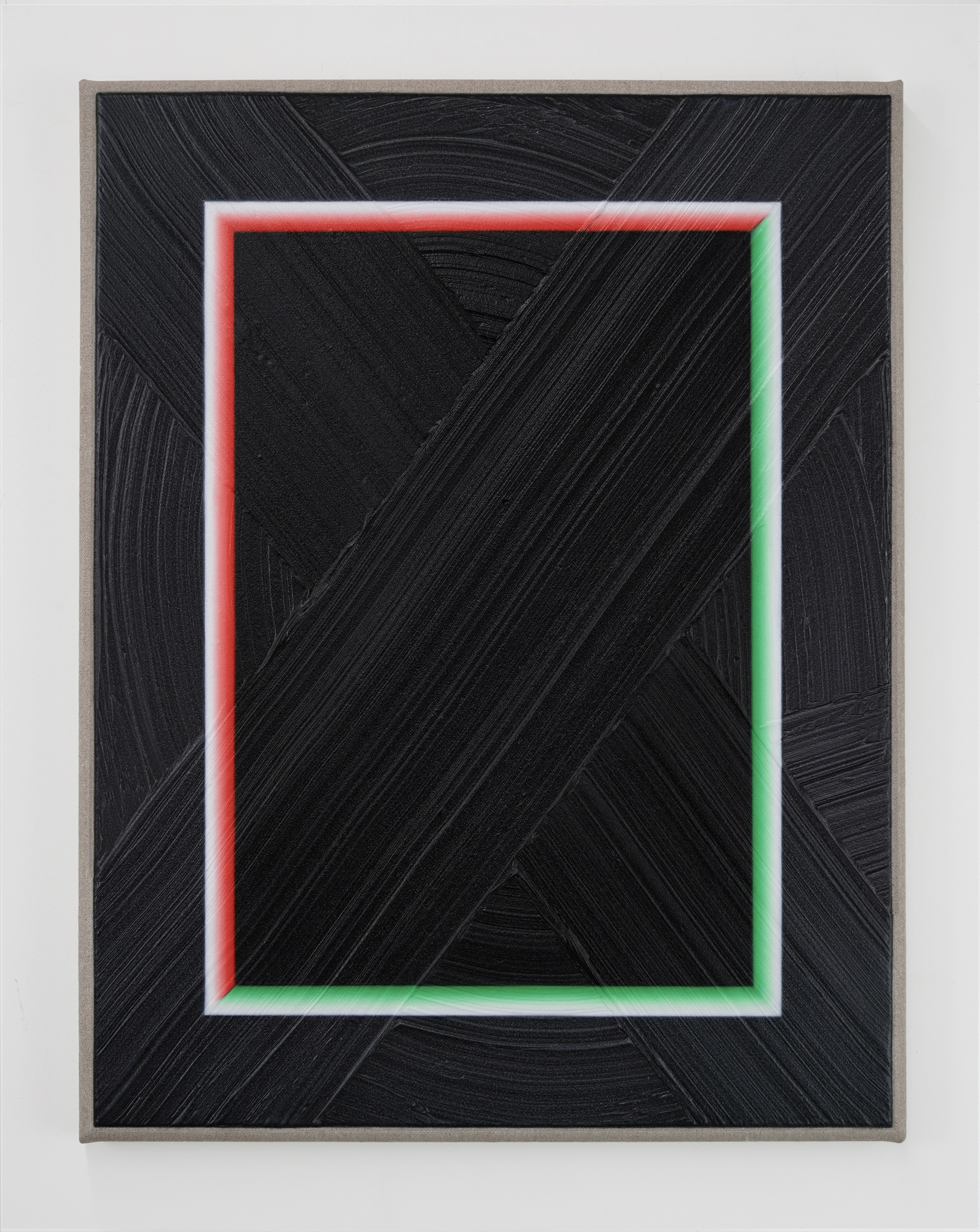
 What began as a practical strategy to economize Dekkenga’s practice by painting over discarded paintings evolved into a broader inquiry into the transcendent (virtual?) quality of images. Over time, she became drawn to the contrast between the underlying materiality of the paint and the image painted over the top, a tension that remains central to her work. By blurring boundaries between shapes, she unifies the image while emphasizing its separation from its material foundation. The visual effect encourages a constant shift of focus between two distinct visual phenomena; the underlying texture and the painted image. Similarly, the discordant alignment of image and texture challenges a viewer’s expectations of the painting’s history and requires them to question what they’re seeing and thinking.

Through years of practice, Dekkenga has developed an intuitive command of shape and color, using design software to test formal relationships fluidly, inverting palettes or generating variations in ways traditional media cannot. Over time, the visual language native to computer systems, including specific color relationships and spatial logic, became a subject of the work. Compositional decisions often emerging in response to music, memory, or political events, making her practice deeply personal. This engagement with materiality and the virtual quality of images expanded into a broader inquiry into metaphysics and ontology, as painting became a means of examining selfhood, consciousness, and how technology reshapes our models of understanding, with questions of mind-body dualism and idealism forming a conceptual foundation for her thinking.

No title

(3 paintings)
Oil on linen
47 x 60 cm
2024

NADA NY May 2024 Statement:

My new paintings were created in response to the conflict in Palestine and the deliberate spread of misinformation being used to justify ongoing acts of genocide. In the United States, Palestinian and Pro-Palestinian voices are being systematically and institutionally repressed, false allegations of anti-semitism are being used to crush dissent, and public demonstrations of solidarity are being met with state and institutional violence.

The relentless murder campaign perpetrated against innocent civilians, mostly women and children, has consumed my thoughts over the last 7 months and affected not only my creative practice but my faith in democratic and cultural institutions. For me these paintings are about concealment, obfuscation, erasure, and deletion – actions that reveal as much as they conceal. Simultaneously a memorial to the lives lost and a warning about how misinformation and obfuscation can be used to limit debate and manufacture consent. 

Games that challenge traditionally structured social relationships in a hands-on interactive way, designed with inherently synergistic and altruistic parameters. 

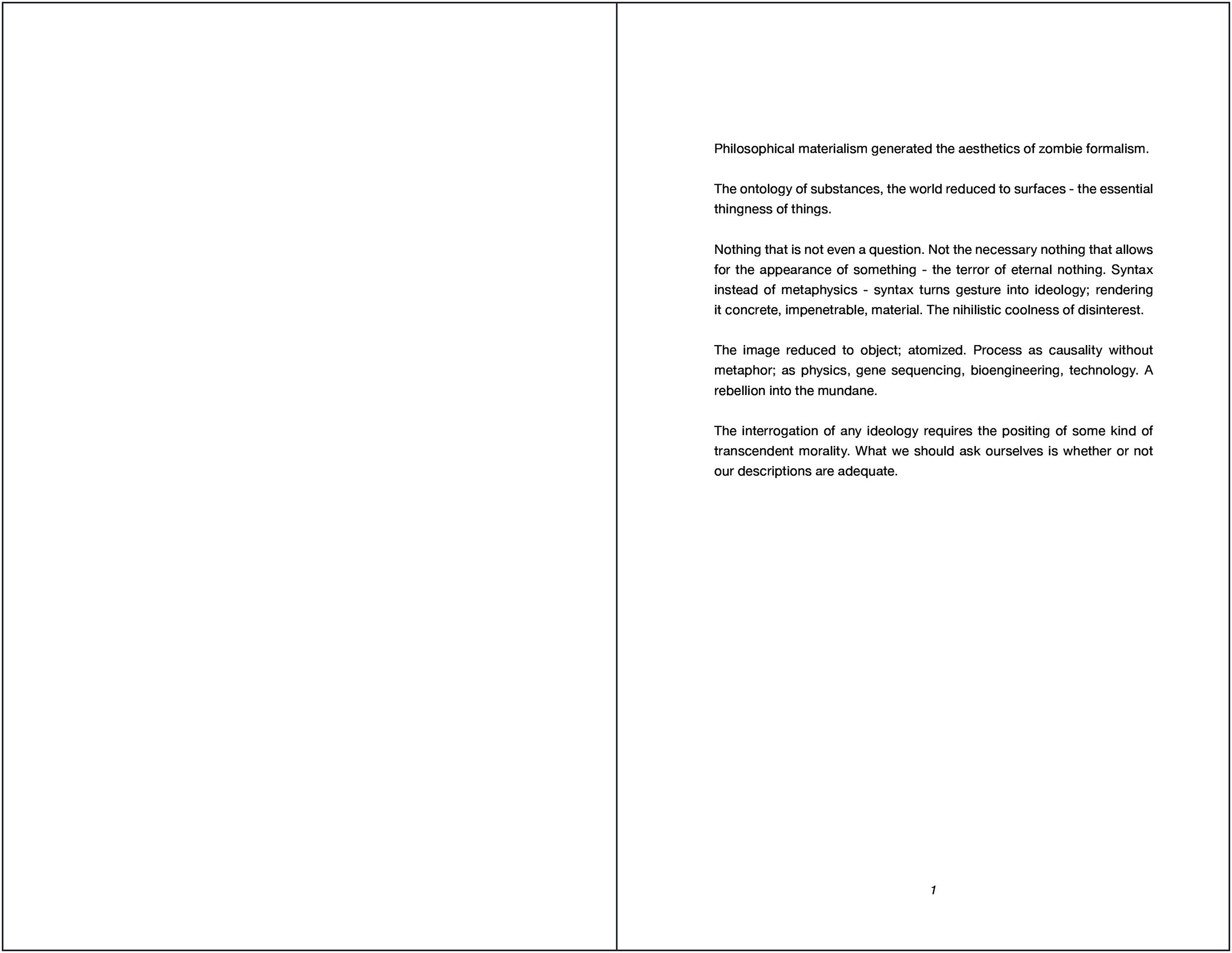
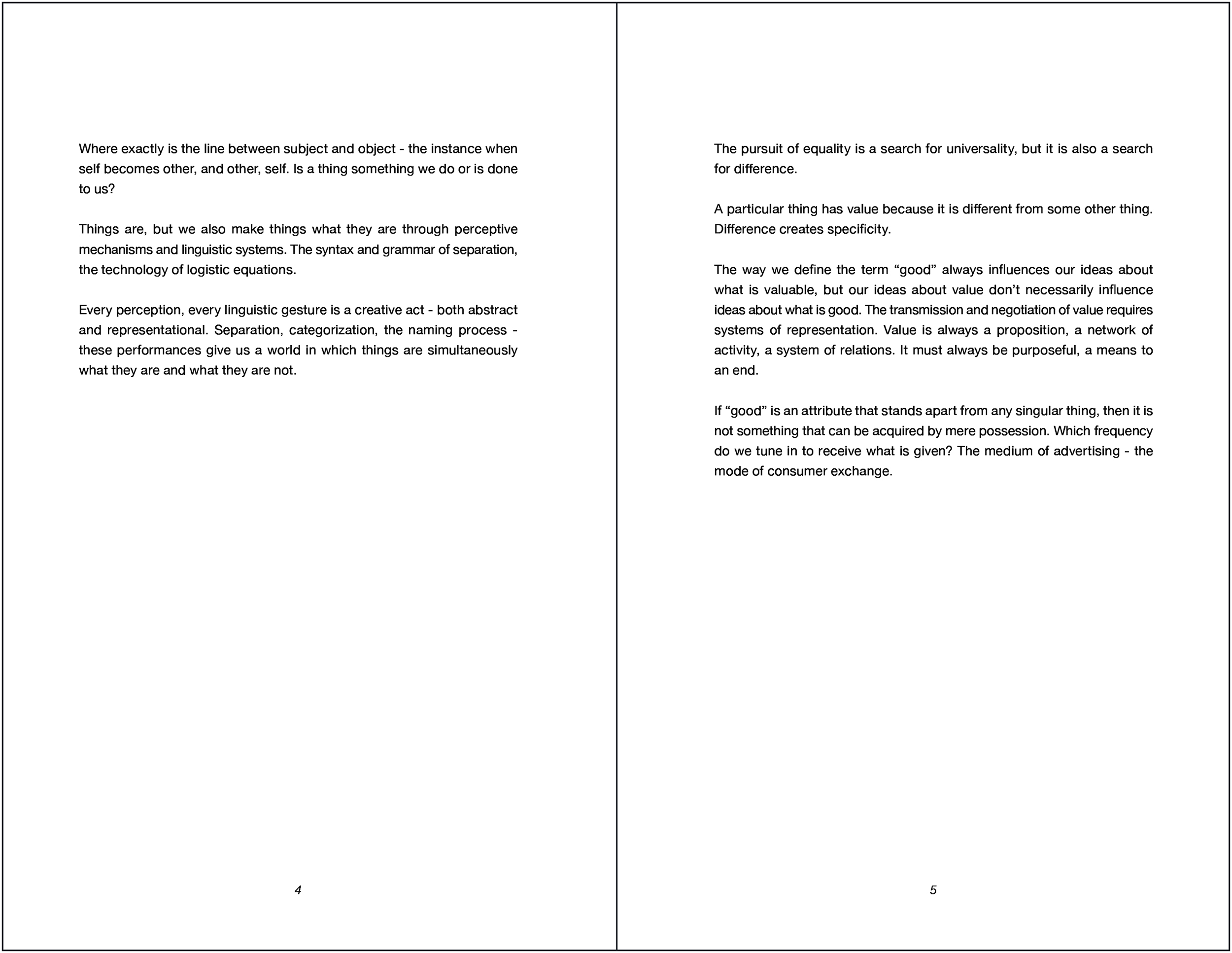
spreads_01
previous arrow
next arrow

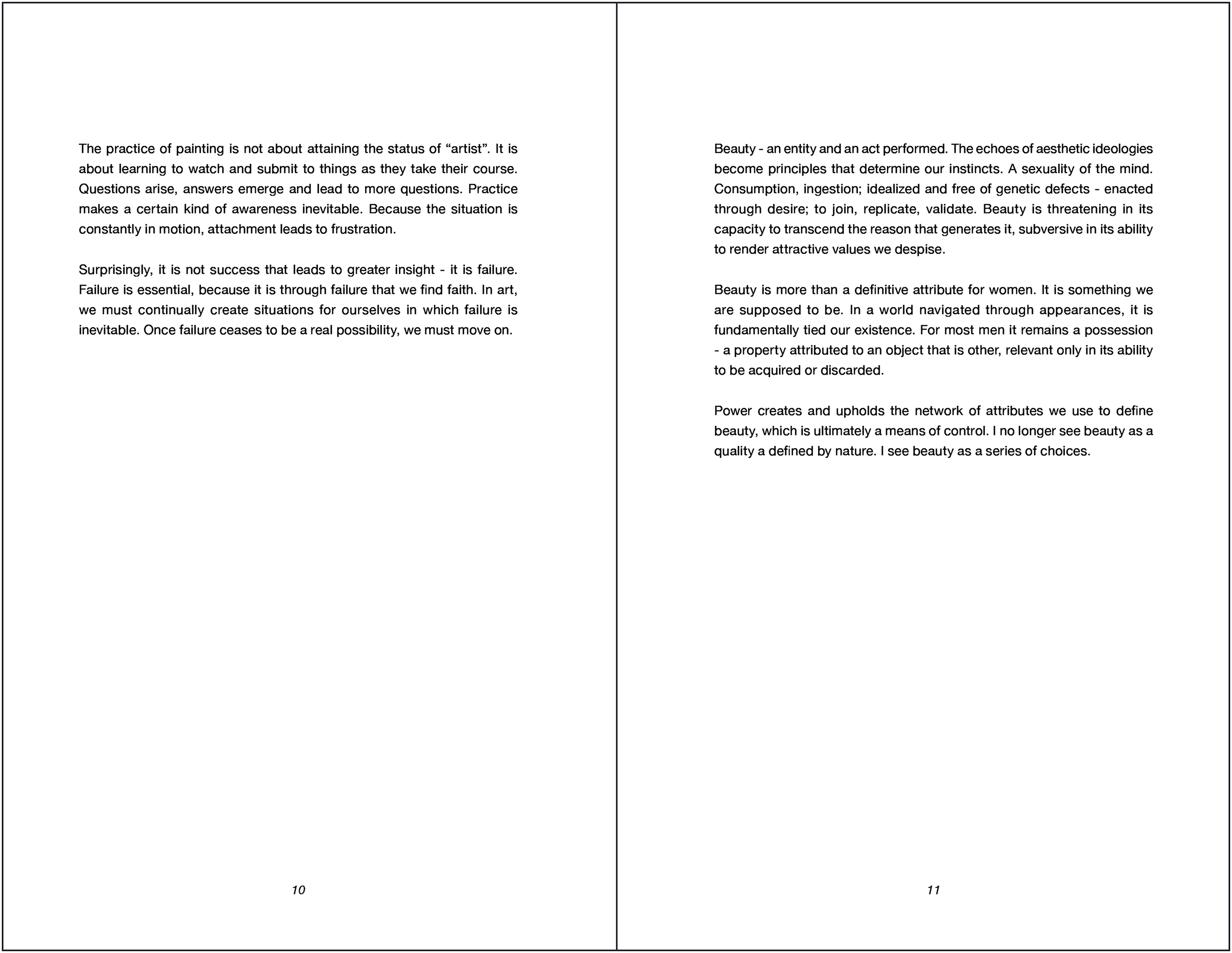
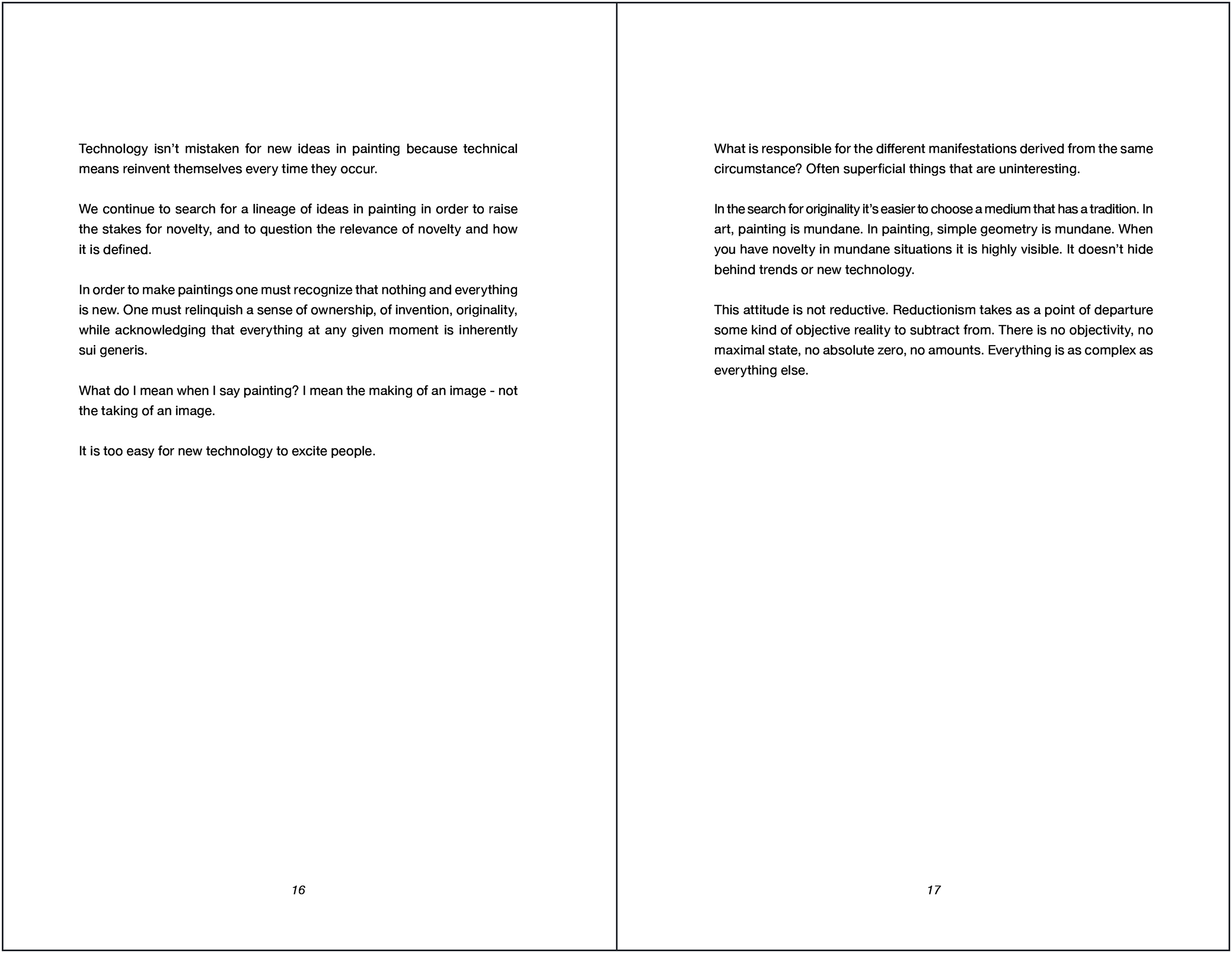
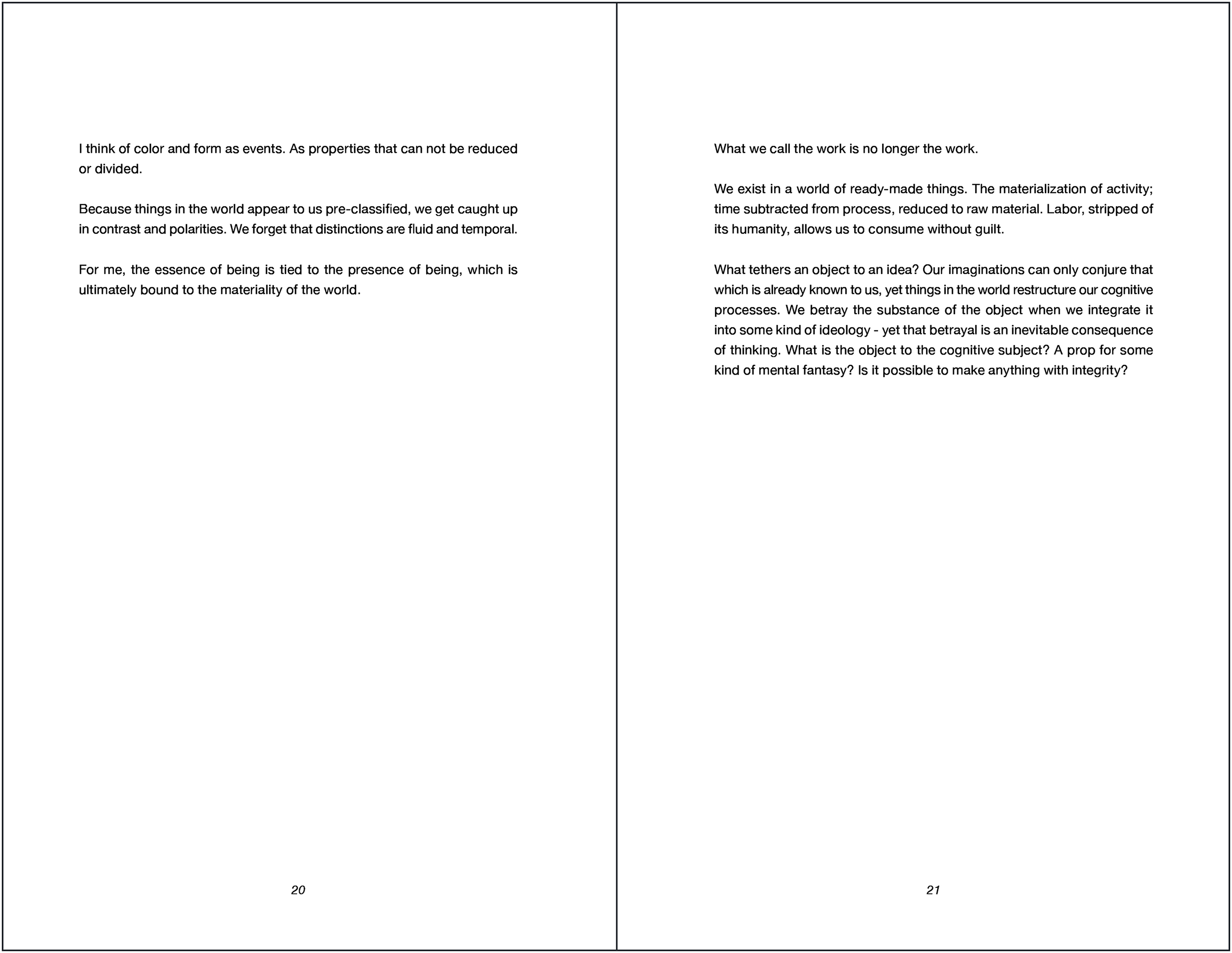
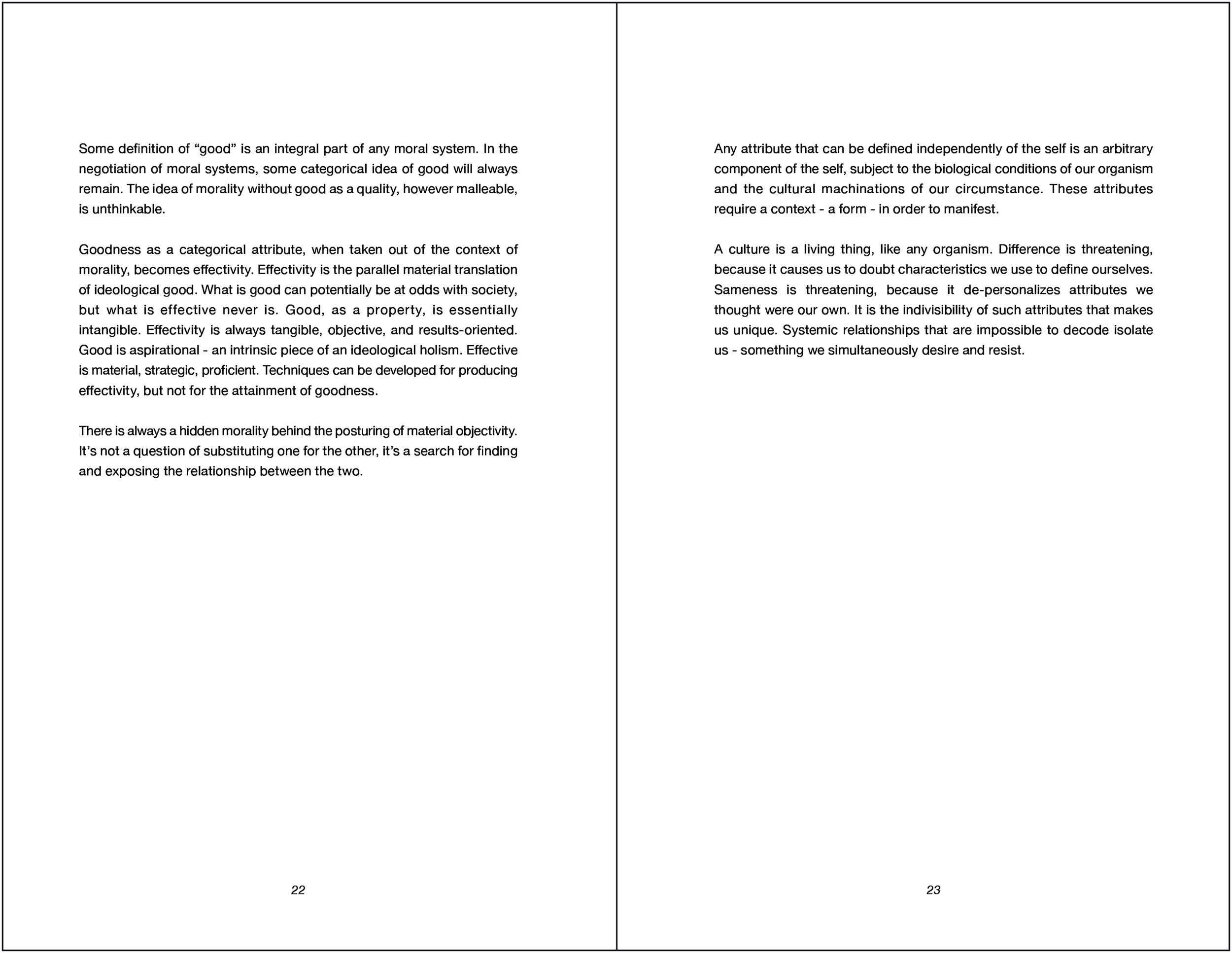
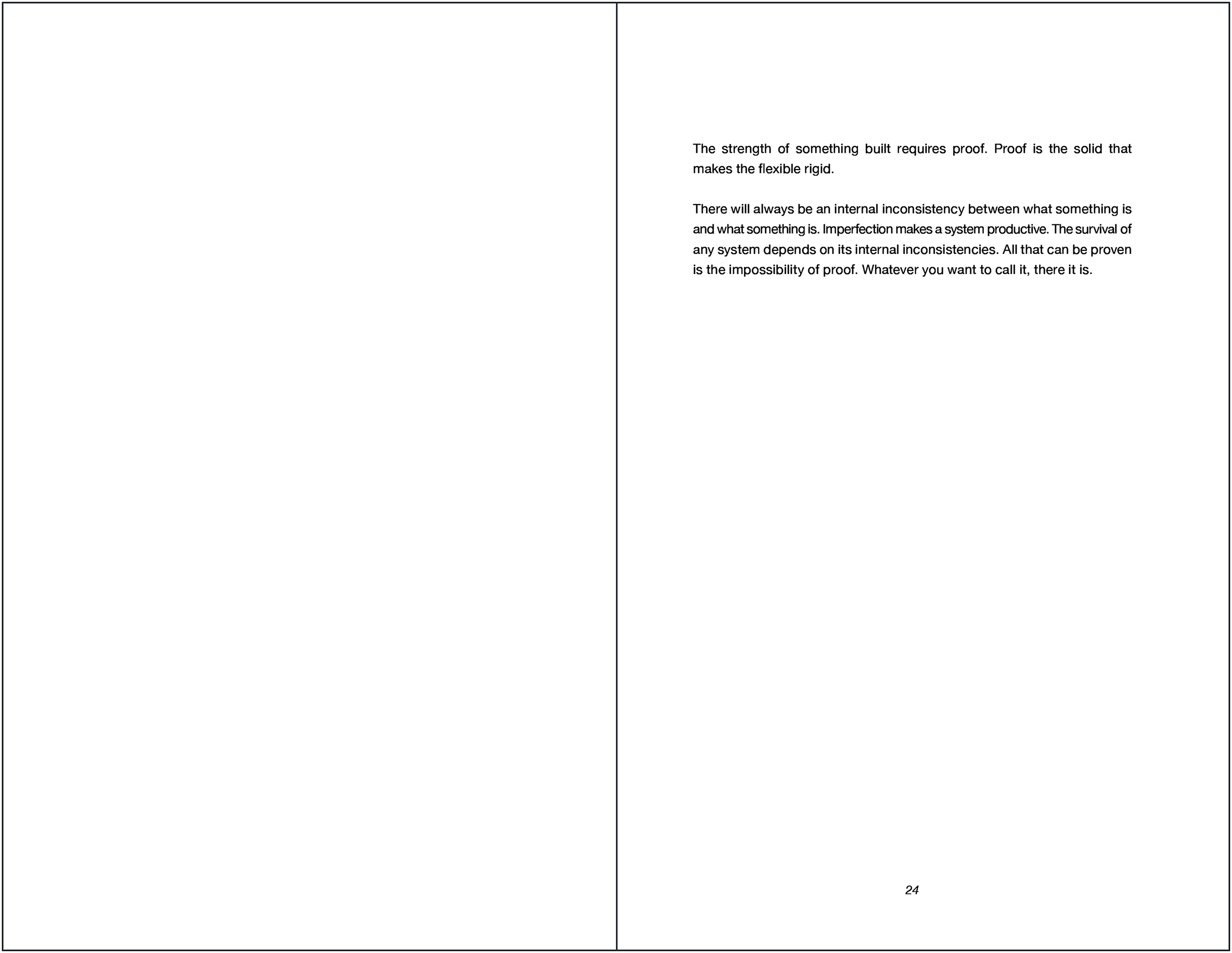
A collection of booklets, interviews, and studio notes that accompanied past exhibitions.

Creating time-based animations in which the composition slowly and imperceptibly shifts serves the dual function of combining a multitude of compositional variants into a single work without the limitations of a static material structure. Over centuries painting evolved historically to occupy different types of spaces. Because digital files exist in a state of infinite multiplicity and can occupy multiple platforms simultaneously, they have the capacity to proliferate beyond traditional market and institutional constraints.

Synthesizing traditional painting techniques with computer-based compositional methods, Dekkenga’s work explores the emerging dialectic between digital technology and painting as a craft. Questions about how images function as physical objects that convey virtual information are central to her practice, as is how information in such contexts is mediated, communicated and defined.

Mariah Dekkenga is an artist and educator living and working in Vermont and Colorado. Dekkenga has held solo exhibitions at Situations, New York and Eli Ping Frances Perkins, New York. Selected Group exhibitions include Mathaf: Arab Museum of Modern Art, Doha Qatar; The Hole, New York; Golestani Gallery, Dusseldorf; Clifton Benevento, New York; Kraftwerk, Berlin; and Suzanne Geiss, New York. Dekkenga has participated in residencies at Rondo in Mexico City, Kamen in Bosnia Herzegovina; Halka Sanat in Istanbul, Takt Kunstraum in Berlin, and Doha Fire Station in Qatar. She is collected by QMA Qatar Museums, Aïshti Foundation in Beruit, the US Embassy in Nogales Mexico and JP Morgan Chase. Her work has been featured in ArtNews, Elephant Magazine, The Brooklyn Rail, ArtReview, Cura Magazine, and New York Observer. 

Mariah Dekkenga

Mariah Dekkenga